Project Overview
| Detail | Information |
|---|---|
| Community | Metro Heights at Montebello Hills |
| Location | Montebello, California |
| Community Type | Large, gated new-development master-planned community |
| Planned Buildout | Approximately 1,200 homes |
| Development Partners | Toll Brothers and Lennar |
| Association Structure | Master association with multiple sub-associations |
| Featured Management Focus | New development HOA management, access planning, resident experience, infrastructure planning and long-term association readiness |
| Management Partner | Crummack Huseby Property Management |
A successful master-planned community is not created at buildout. It is created years earlier, while homes are still being sold, infrastructure is being completed, amenities are coming online, budgets are evolving and the association is gradually assuming responsibility for the community it will ultimately operate.
 |
Metro Heights at Montebello Hills illustrates why experienced new development HOA management matters.
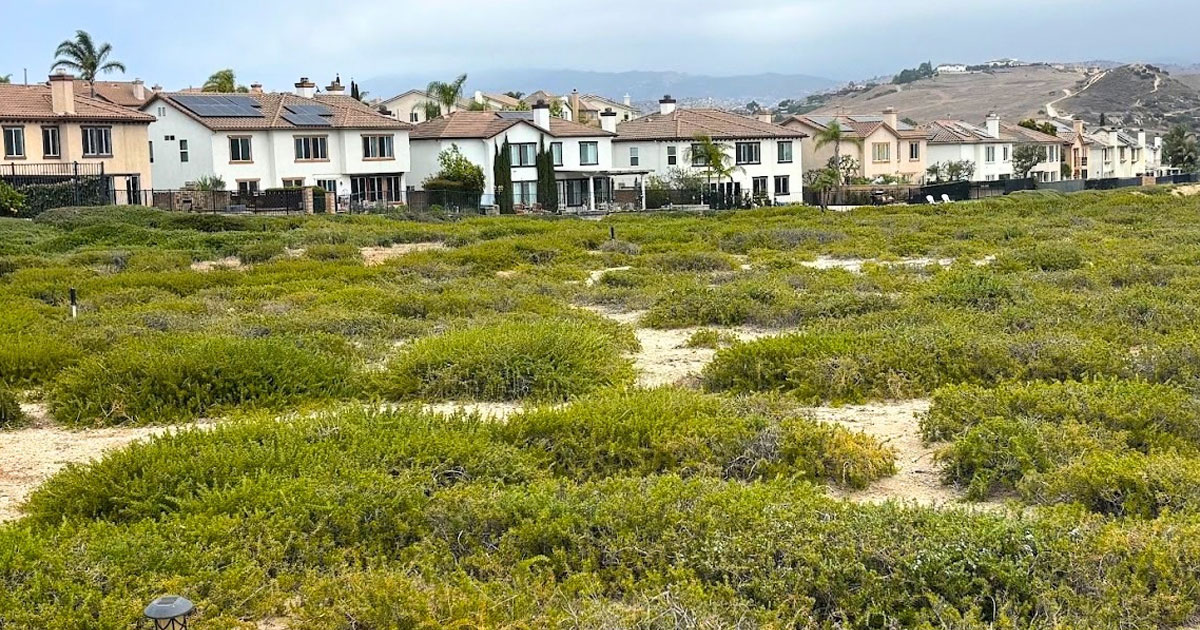
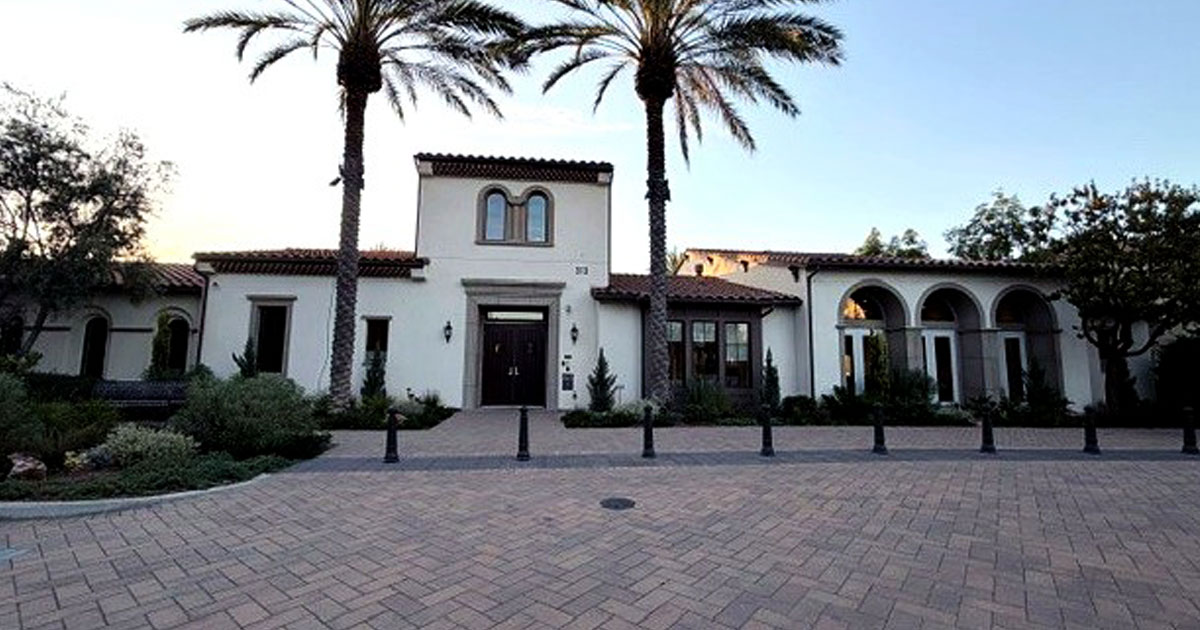
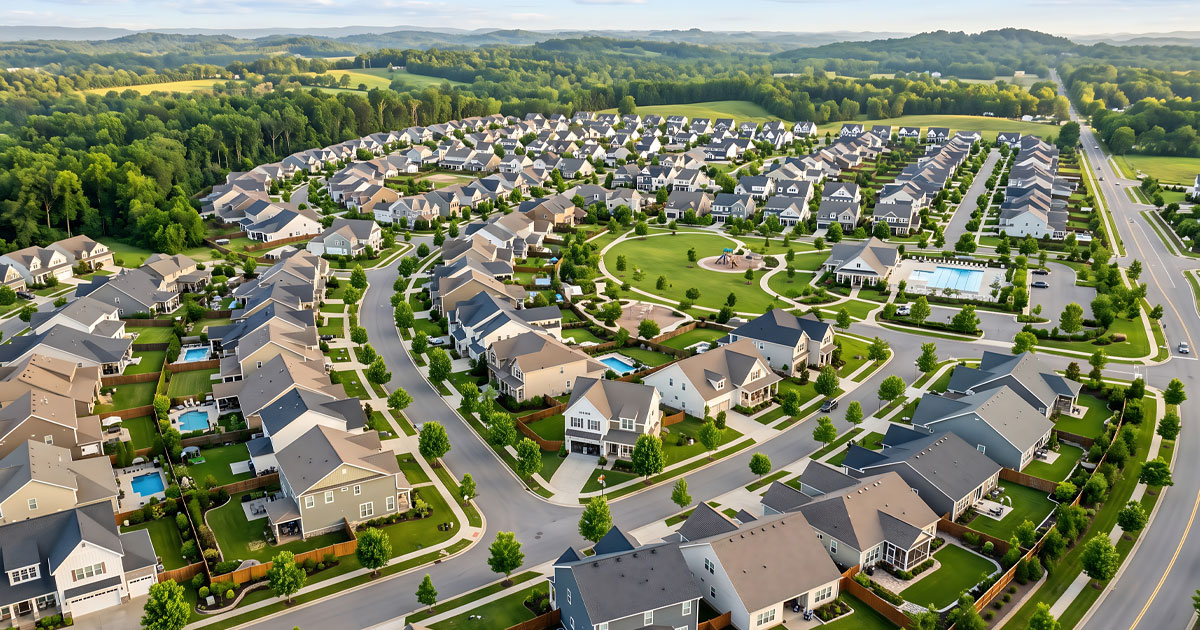
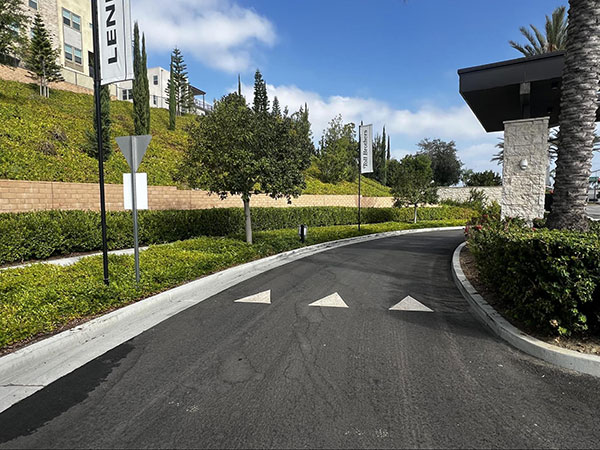
Planned for approximately 1,200 homes at buildout, Metro Heights is a large gated community with multiple development partners, a master association, separate sub-associations and a growing collection of lifestyle amenities. The community includes a 10,000-square-foot clubhouse, co-working areas, private pools, spas, BBQ areas, fireplaces, a fitness center, rentable event spaces, community greenspaces, private streets, parks, trails, common-area landscaping and active and passive recreational areas.
For homeowners, the finished community should feel cohesive, intuitive and easy to enjoy. Behind the scenes, however, the operational structure is complex. Crummack Huseby Property Management is helping manage the community that exists today while building the operational foundation for the 1,200-home community Metro Heights will become.
That is the central challenge of new development management: make today work while preparing for tomorrow.
The Challenge: Managing a Community Still Becoming Itself
Metro Heights is not a static association with settled routines, fixed infrastructure and fully established operating patterns. It is a community in motion.
As the development approaches the halfway point in buildout, CHPM is helping coordinate the competing demands of the master association, multiple sub-associations, development partners, evolving infrastructure responsibilities and homeowners already living in the community.
This creates a unique management environment. Decisions made now will affect the homeowner experience, future budgets, infrastructure turnover, community access, amenity use, resident communication and long-term association operations.
| New Development Challenge | Why It Matters |
|---|---|
| Multiple development partners | Requires clear coordination between builders, project teams and association needs |
| Master and sub-association structure | Creates operational complexity that homeowners should not have to feel |
| Growing homeowner population | Systems must work today and scale as the community grows |
| Amenity activation | Lifestyle spaces need policies, access, scheduling and communication support |
| Private streets and gates | Access planning must account for residents, guests, vendors and future enforcement |
| DRE budget considerations | Service decisions must align with approved development budgets and timing |
| Future turnover responsibilities | Early decisions shape the association homeowners will inherit |
In a new development, management cannot only react to what exists today. It must anticipate what the association will need when the community is complete.
Why New Development HOA Management Is Different
New development management is not the same as managing a mature homeowners association. In an established community, many systems are already in place. The Board, vendors, budgets, amenities and homeowner expectations have history behind them.
In a new development, those systems are still being built.
The management partner must understand developer objectives, Department of Real Estate budget implications, infrastructure turnover, homeowner onboarding, amenity programming, sub-association coordination and the transition from builder-led operations to mature association governance.
| Mature HOA Management | New Development HOA Management |
|---|---|
| Operates established systems | Helps build the systems the association will operate |
| Works with an existing Board history | Coordinates with developers, Boards and evolving homeowner leadership |
| Manages known infrastructure | Plans for infrastructure still being completed or transitioned |
| Responds to existing resident expectations | Helps shape expectations from the beginning |
| Maintains existing policies | Helps determine what policies will be needed as the community grows |
| Focuses on current operations | Balances current operations with future association readiness |
The decisions made during development become the operating reality the association and its homeowners will inherit. That is why new development management requires experience, sequencing and long-term judgment.
Building the Infrastructure Before the Community Needs It
One of the most important responsibilities in new development management is recognizing an operational need early enough to address it thoughtfully.
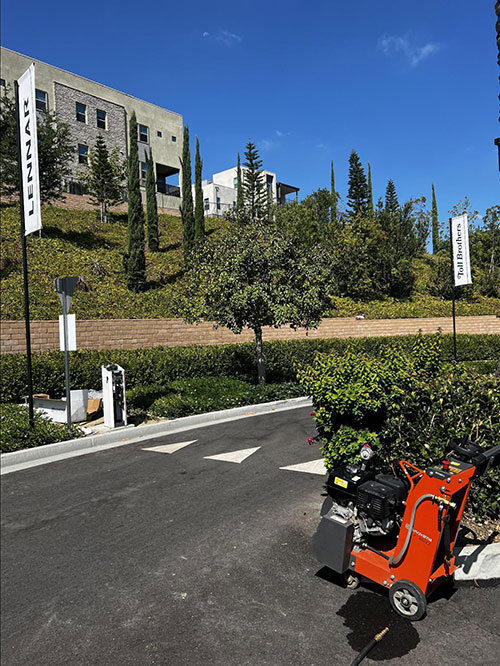
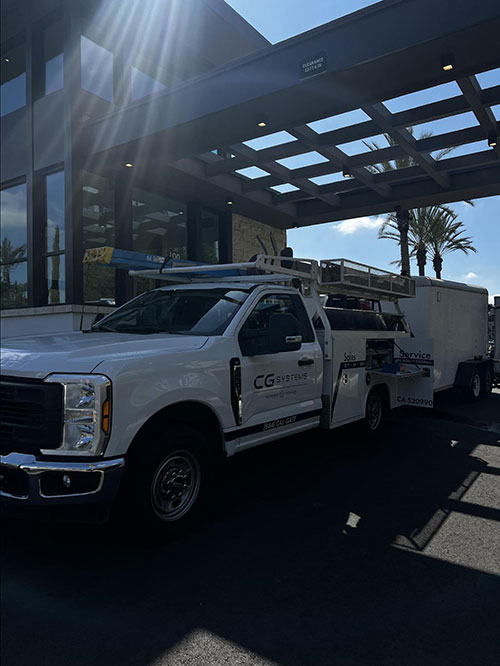
At Metro Heights, gated entrances provided controlled entry, but as the community grew, incidents involving unauthorized access, burglaries and petty theft showed the need to evaluate a more comprehensive access-management approach.
The immediate response could have been limited to individual incidents. Instead, CHPM General Manager Esther Cisneros stepped back and asked the larger question: what does the right solution need to look like as Metro Heights continues to grow?
That question led to a broader strategy focused on improving visibility, accountability, access control and the resident and guest experience.
 |  |
A Smarter Access-Management Strategy
As Esther evaluated the community’s access needs, several issues became clear. Resident vehicle information was not fully captured. Unauthorized access and vehicle tailgating needed to be mitigated. Guest access needed a more consistent process. The existing gatehouse camera system offered an opportunity for stronger visibility and incident review.
Rather than treating these as separate problems, CHPM began helping the community think through a more integrated access-management infrastructure.
| Access Need | Strategic Response |
|---|---|
| Unauthorized vehicle access | Evaluate systems that help limit entry to approved residents, guests and vendors |
| Vehicle tailgating | Consider physical and operational access controls that reduce unauthorized entry |
| Incomplete resident vehicle data | Use access systems to encourage current vehicle registration |
| Guest access inconsistency | Create a more standardized guest-management process |
| Limited camera retention | Extend footage availability to support incident review |
| Future community growth | Build a system that can scale with the completed 1,200-home community |
The objective was not simply adding more technology. The goal was to create an access framework that could support Metro Heights as it grows.
 |
Using LPR to Improve Access and Vehicle Registration
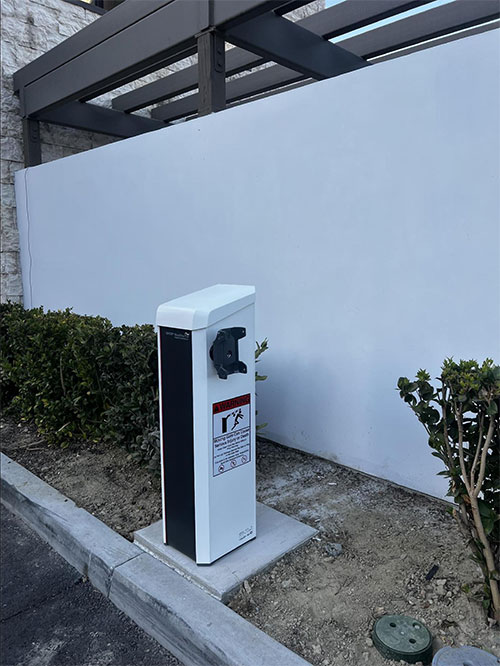
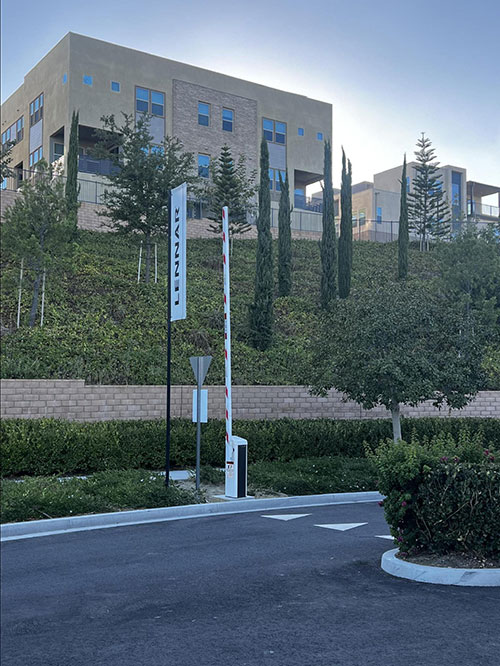
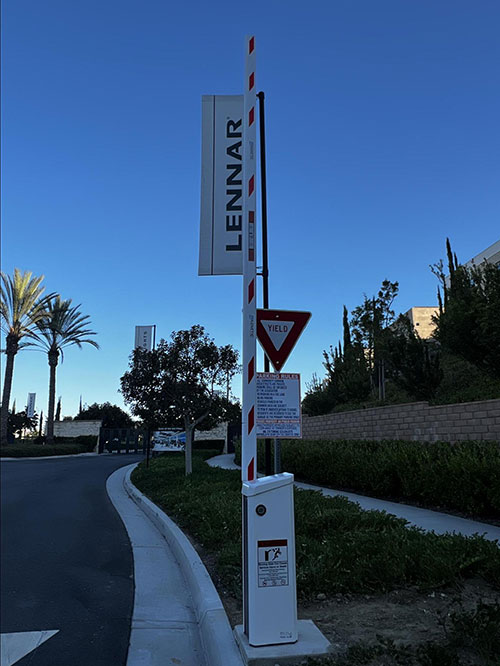
One key opportunity involved license plate recognition, commonly referred to as LPR. Esther identified that LPR, used in conjunction with a barrier arm system, could help address two important issues at once: unauthorized access and incomplete resident vehicle registration.
Because LPR would become part of the access process, residents would need to register their vehicles in order to enter the community smoothly. With approximately 75% of resident vehicles already registered, Metro Heights had a strong starting point. As residents purchase new vehicles or replace existing ones, the system creates a natural reason to keep that information updated.
This is the kind of decision that matters in a growing community. Vehicle registration is not only a database issue. It affects access control, security visibility, resident convenience and the ability to manage a larger community over time.
 |  |
Extending Camera Retention From One Day to 30 Days
Another important access-related improvement involved video retention. The existing call box video was retained for only one day, which limited the community’s ability to review incidents after they occurred.
Recognizing that limitation, Esther brought the issue to the Board and obtained approval to extend video retention from one day to 30 days.
That change gives the community significantly more time to investigate incidents, review activity and respond with better information. It also shows how a seemingly technical detail can have meaningful operational value.
| Before | After |
|---|---|
| Call box video retained for one day | Video retention extended to 30 days |
| Limited window to review incidents | More time to investigate and address concerns |
| Reduced visibility after delayed reports | Stronger support for incident review and accountability |
For a community that is still growing, this type of infrastructure improvement helps establish stronger operating practices before future scale makes the issue harder to solve.
Thinking Three Steps Ahead Without Getting Ahead of the Development
Planning ahead in a new development does not mean implementing everything immediately. Timing matters.
Metro Heights continues to operate within its approved Department of Real Estate budget while homes are being sold and responsibilities gradually transition from the developers to the association. Services need to be introduced when the community needs them, but also when the development, budget and association are prepared to support them.
This creates an important balancing act.CHPM works with the developer team and budget preparer to evaluate decisions within the larger development timeline. The goal is to avoid introducing policies, infrastructure or expenses prematurely, only to redesign or refund them later.
Parking is one example. As private streets transition to association responsibility, CHPM is looking ahead to the operational pieces that may follow, including appropriate striping and red curbs, parking policies, enforcement procedures and potential patrol support.
Each decision affects the next. When decisions are sequenced properly, the community is better positioned to grow without creating avoidable operational problems.
Making a Complex Community Feel Simple to the Homeowner
Behind the scenes, Metro Heights is complex. There is a master association, three separate sub-associations, multiple developers and project managers, evolving infrastructure responsibilities and countless operational relationships.
Homeowners should not have to feel that complexity. The homeowner experience should be connected, welcoming and easy to navigate. That was the vision development partners had for Metro Heights: a lifestyle community where living there feels as thoughtful as the community itself.
Working with the Board of Directors, CHPM identified Alosant as a potential way to bring many aspects of community life together in one Metro Heights-branded experience. The platform is being developed to support community communications, lifestyle programming, amenity reservations, digital facility access, vehicle management and other resident services.
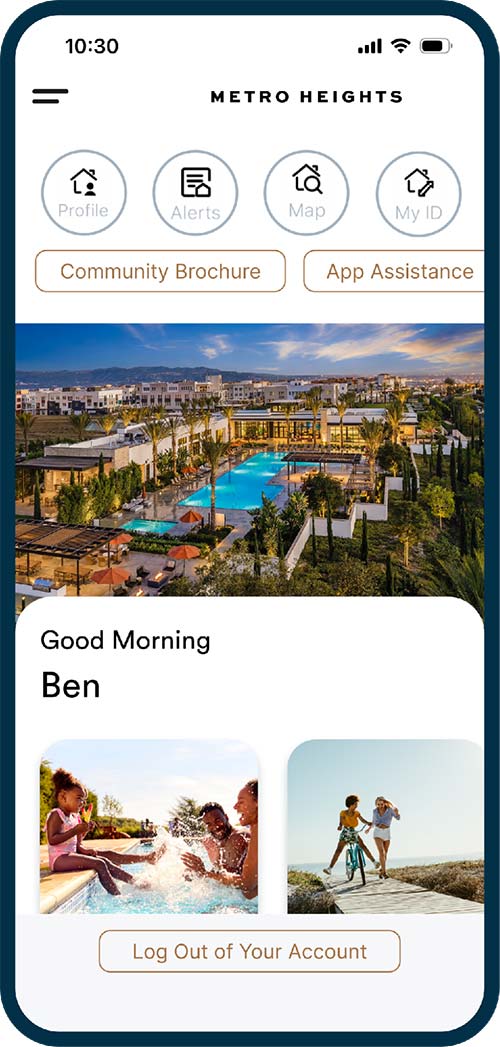 |
Just as importantly, the experience is being designed around Metro Heights, not the management company. The goal is one community, one recognizable identity, one intuitive resident experience and one stronger sense of belonging.
Behind that simplicity, CHPM coordinates the much more complicated association, developer and operational relationships required to make it possible.
Why the Resident Experience Matters in New Development
For a new community, resident experience is part of the product. Homebuyers are not only purchasing a home. They are buying into a lifestyle, an amenity package, a sense of place and an expectation that the community will function well as it grows. That means the management infrastructure needs to support the promise of the community.
| Resident Experience Need | Management Impact |
|---|---|
| Clear community identity | Branded resident tools and communication create cohesion |
| Amenity access | Digital access and reservation systems make shared spaces easier to use |
| Guest management | Standardized processes reduce confusion and improve entry experience |
| Lifestyle programming | Events and communications help activate the community |
| Vehicle management | Better registration supports access control and convenience |
| Homeowner communication | Centralized tools help residents understand community updates and expectations |
A strong resident experience does not happen automatically. It is built through systems, communication, access planning and consistent execution.
By the Numbers
| Metric | Significance |
|---|---|
| Approximately 1,200 homes | Planned master community buildout |
| 75% | Approximate percentage of resident vehicles already registered |
| 1 day to 30 days | Increase in approved video camera retention |
| Multiple development partners | Master association, developers and separate sub-associations require coordinated management |
| One long-term objective | Build the operational foundation today’s homeowners need while preparing for the completed community they will inherit |
These figures help tell the larger story. Metro Heights is not only a community being managed. It is an operating framework being built in real time.
 |
Why New Project Development Is Different at CHPM
For Crummack Huseby, new project development is not simply another management service. It is where the company began.
Founder Margo Crummack brings 40 years of experience working with developers and homebuilders, giving CHPM a deep understanding of the decisions, relationships and nuances involved in taking a community from development through homeowner transition and ultimately into mature association operations.
That knowledge matters, but what CHPM has done with it matters just as much.
Rather than allowing decades of experience to reside with one person, CHPM has intentionally transferred that knowledge through hands-on mentoring and development of team members who work within this specialized environment.
CHPM team members are trained to look beyond the immediate task. They learn to understand developer objectives, recognize DRE and budget implications, anticipate turnover responsibilities, evaluate how infrastructure decisions affect future operations and balance the needs of builders, Boards and homeowners. Forty years of experience becomes more valuable when it becomes institutional knowledge. Metro Heights is one example of that philosophy in action.
What This Case Study Shows Developers
Metro Heights shows why experienced new development HOA management should be involved before a community is complete. The work being done during development shapes how the association will operate when the builders leave and homeowners inherit the community.
For developers, the value is practical:
| Developer Need | Crummack Huseby Value |
|---|---|
| Preserve the community vision | Align operational decisions with the lifestyle experience being sold |
| Coordinate complex stakeholders | Work across developers, Boards, sub-associations and project teams |
| Plan infrastructure timing | Avoid introducing systems too early or too late |
| Support DRE budget realities | Evaluate service decisions within the approved development budget |
| Prepare for turnover | Anticipate future association responsibilities before they become urgent |
| Improve homeowner experience | Build systems that make the community feel cohesive and easy to navigate |
| Reduce future friction | Make thoughtful decisions today that prevent operational issues later |
“Crummack Huseby, specifically Esther and Rebeccah, do a wonderful job, and I have been very pleased with their services. They consistently go above and beyond to provide homeowners with a great experience while also helping us maintain a high standard for the community.
I really appreciate how they help hold homeowners accountable while also encouraging everyone to be mindful of their neighbors and the overall community. They have been great to work with, and I appreciate everything they do.”
— Jack Cullen, Management Associate, Toll Brothers
The strongest transitions do not begin when the developer leaves. They begin with decisions made while the community is still being built.
What This Case Study Shows HOA Boards
For HOA Boards, Metro Heights demonstrates the value of a management partner that can see several steps ahead. Even before the community is complete, the Board is making decisions that affect access, parking, resident communication, amenities, technology and long-term operations.
A Board should expect its management partner to help interpret those decisions, explain tradeoffs and identify how one operational choice may affect another.
| Board Responsibility | Management Support |
|---|---|
| Access control | Evaluate systems that support safety, accountability and resident convenience |
| Resident communication | Build channels that keep homeowners informed and connected |
| Amenity operations | Support reservations, access and programming as the community grows |
| Parking planning | Sequence policies, striping, curbs and enforcement carefully |
| Infrastructure turnover | Understand what responsibilities are shifting to the association |
| Budget awareness | Align decisions with DRE and operating realities |
| Long-term planning | Prepare the community for future scale and maturity |
This is where new development management becomes long-term association protection.
Final Takeaway
Metro Heights at Montebello Hills demonstrates what experienced new development HOA management looks like in practice. CHPM is not simply managing the community that exists today. It is helping builder partners prepare the association for the community they are creating tomorrow.
That work includes access planning, resident vehicle registration, camera retention, guest management, parking strategy, DRE budget awareness, digital resident experience, amenity operations, infrastructure turnover and coordination across multiple development partners and sub-associations.
None of those pieces exists in isolation. A decision made in one area can affect budgets, operations and the homeowner experience somewhere else.
That is why new development management requires perspective.
At Metro Heights, CHPM is helping build the operational foundation today’s homeowners need while preparing for the fully built community they will ultimately inherit.
 |
Partner with Crummack Huseby
If you are developing, building or transitioning a master-planned community in Southern California, Crummack Huseby Property Management can help you plan for what comes next.
Contact Crummack Huseby to learn more about new development HOA management, developer services, infrastructure planning, homeowner transition support and long-term association operations.
About Crummack Huseby
Crummack Huseby is an award-winning property management and consulting firm serving homeowners associations and builder communities across Southern California. Since 1999, we’ve partnered with HOA boards, developers, and homeowners to provide personalized management, strategic guidance, and exceptional service. Our team believes in building strong relationships, transparent communication, and custom solutions that help communities thrive.
To learn more about how we can support your HOA or builder project, click here.