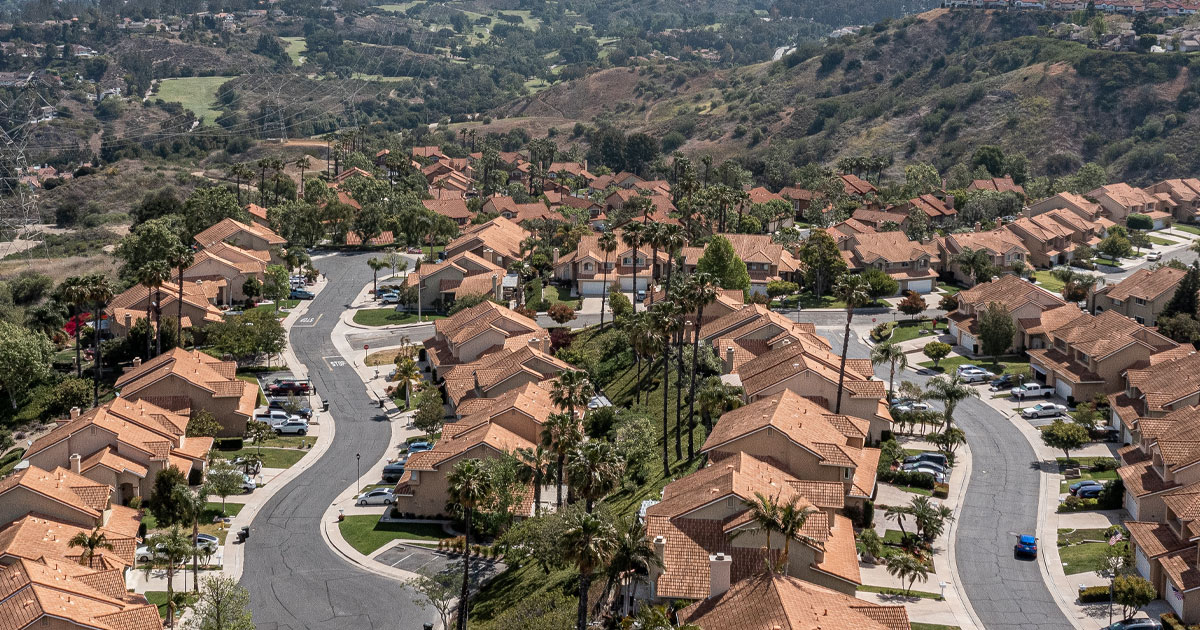
Orange County HOA management in 2026 is being shaped by rising insurance costs, new California association laws, aging infrastructure, homeowner affordability concerns, wildfire preparedness and higher expectations for board communication. For HOA boards, this is not a normal operating environment. Communities are being asked to make more financially significant decisions while homeowners are paying closer attention to assessments, rule enforcement, maintenance standards and the value they receive from professional management.
The best HOA management companies in OC are not simply handling meeting agendas and homeowner emails. They are helping boards understand risk, document decisions, manage vendors, plan for reserve needs and communicate difficult issues with more clarity. In 2026, that level of professional support is becoming more important as associations face stronger financial pressure and more complex governance requirements.
For Orange County communities evaluating an OC property management company, the right question is not only, “Who can manage the association?” The better question is, “Who can help the board make sound decisions in a more complicated environment?”
Crummack Huseby Property Management supports Orange County HOAs with experienced community association management designed to help boards operate with structure, consistency and confidence.
Why Orange County HOA Management Is More Complex in 2026
Orange County associations operate in a high-expectation market. Homeowners often expect well-maintained common areas, responsive communication, strong vendor oversight and careful financial management. At the same time, boards are dealing with rising costs, stricter compliance expectations and more pressure to explain decisions.
Several factors are converging in 2026:
| Issue | Why It Matters for HOA Boards |
|---|---|
| Rising insurance costs | Master policy increases can affect budgets, assessments and homeowner affordability |
| California HOA law changes | Boards need to update enforcement and compliance procedures |
| Reserve funding pressure | Aging assets and higher construction costs make long-term planning more important |
| Wildfire and fire-hardening concerns | Communities may need stronger mitigation, documentation and insurance coordination |
| Homeowner affordability | Higher dues and special assessments can create conflict |
| Vendor costs and availability | Labor, materials and service reliability remain major budget concerns |
| Communication expectations | Homeowners want faster, clearer and more transparent updates |
| Board fatigue | Volunteer board members are handling more complex issues than ever |
These challenges are not isolated. Insurance costs affect budgets. Budgets affect assessments. Assessments affect homeowner satisfaction. Homeowner frustration affects board meetings. Board stress affects decision-making.
That is why professional HOA management in Orange County needs to be both operational and strategic.
1. Insurance Costs and Coverage Availability
Insurance remains one of the biggest issues for California HOAs in 2026. Across the state, communities are facing higher premiums, reduced carrier options, larger deductibles and more scrutiny from insurers. For Orange County associations, this can affect master policies, liability coverage, umbrella coverage, common area property insurance and special risk coverage depending on the community type.
The impact is especially significant for condominium associations and communities with shared structures, slopes, amenities, brush exposure or aging infrastructure. Even associations that have not filed major claims may see rising costs because insurers are evaluating regional risk, construction costs, wildfire exposure and reinsurance pressures.
For boards, the issue is not just the premium increase. It is how the association plans for it.
A strong management company can help boards:
- Coordinate early with insurance professionals
- Gather needed property and maintenance documentation
- Budget for realistic premium changes
- Communicate insurance pressures to homeowners
- Track fire-hardening or risk-reduction recommendations
- Review deductible impacts with the board and appropriate professionals
Insurance conversations are often difficult because homeowners may see the increase before they understand the cause. Clear communication helps prevent the issue from becoming a trust problem.
2. Wildfire Preparedness and Fire-Hardening Expectations
Wildfire preparedness is no longer only a concern for rural or mountain communities. In Southern California, fire risk conversations increasingly affect suburban and urban-adjacent neighborhoods, especially where communities border open space, hillsides, canyons or brush areas.
For HOAs, wildfire preparedness may involve landscaping practices, defensible space, tree maintenance, slope management, roof and exterior material considerations, emergency access, resident communication and insurance documentation.
Boards do not need to become fire experts, but they do need to take risk seriously. That may include working with qualified vendors, reviewing local fire authority guidance, documenting mitigation efforts and communicating clearly with homeowners about community responsibilities.
| Fire Preparedness Area | Board Consideration |
|---|---|
| Landscaping | Are trees, brush and slopes maintained appropriately? |
| Vendor documentation | Are mitigation efforts documented for future reference? |
| Homeowner communication | Do residents understand their individual responsibilities? |
| Insurance coordination | Can the association show risk-reduction efforts? |
| Emergency planning | Are access points, gates and communication channels reviewed? |
Professional HOA management helps boards turn wildfire concern into a more organized process. That means documenting action items, coordinating vendors and helping the board separate urgent risks from long-term planning needs.
3. AB 130 and HOA Fine Enforcement Changes
California’s AB 130 created major discussion across the HOA industry because it limits many association fines and changes how boards need to think about enforcement. For homeowners, this may sound like a simple consumer protection measure. For boards, the practical impact is more complicated.
If fines are limited, associations need to be more careful and consistent with enforcement procedures. Boards may need to rely more heavily on communication, documented warnings, internal dispute resolution and legal guidance when violations continue.
The key issue is not whether associations should enforce rules. They still need to maintain community standards and apply governing documents consistently. The issue is how enforcement is handled when fines may no longer carry the same weight.
Boards should review:
- Fine schedules
- Violation notice templates
- Hearing procedures
- Internal dispute resolution processes
- Escalation steps for repeat violations
- Legal counsel guidance where needed
This is an area where boards should avoid improvising. Inconsistent enforcement can create homeowner frustration and increase risk for the association.
4. SB 326, Structural Inspections and Building Safety
For condominium associations and certain communities with exterior elevated elements, SB 326 remains a significant compliance and budgeting issue. Structural inspections can identify needed repairs to balconies, walkways, decks, stairways and similar components.
The challenge for boards is that inspections are only the beginning. If repairs are identified, the association may need to evaluate scope, cost, funding, scheduling, homeowner disruption and reserve impacts.
This can quickly become one of the most sensitive issues in the community. Homeowners may support safety in principle but resist the assessment increases or special assessments needed to complete work.
A professional management company can help boards coordinate the process by organizing inspection timelines, vendor proposals, board discussions, homeowner notices and follow-up tracking. The board should also work with qualified inspectors, contractors, reserve specialists and legal counsel as appropriate.
5. Reserve Funding and Deferred Maintenance
Reserve funding is one of the most important long-term issues facing Orange County HOAs. Many communities are dealing with aging assets, higher construction costs, increased insurance pressure and homeowner resistance to assessment increases.
A reserve study is not just a technical document. It is a financial planning tool that helps the board understand whether the association is preparing for future repairs and replacements.
Common reserve components may include:
| Community Component | Why It Matters |
|---|---|
| Roofs | Major replacement cost for condominium and attached communities |
| Asphalt and paving | Expensive and disruptive if deferred too long |
| Gates and access systems | Important for security and resident experience |
| Pools and recreation areas | High-visibility amenities with ongoing maintenance needs |
| Lighting and electrical systems | Safety, aesthetics and operational reliability |
| Walls and fencing | Often expensive to repair or replace |
| Landscaping and irrigation | Major operating and capital planning concern in many OC communities |
When reserves are underfunded, boards may have fewer options. They may need to raise assessments, reduce services, delay projects or consider special assessments. None of those conversations are easy.
Strong HOA management helps boards approach reserve planning with better documentation, clearer timelines and more transparent homeowner communication.
6. Rising HOA Fees and Homeowner Affordability
HOA fees are rising in many communities because the cost of operating associations is rising. Insurance, utilities, landscaping, labor, repairs, professional services and reserve funding all affect the budget.
For homeowners, the monthly assessment is often the most visible part of association management. If dues increase, homeowners want to know why. If they do not understand the cost drivers, they may assume the board or management company is simply overspending.
Boards need to communicate budget realities in plain language. That means explaining what changed, what costs are mandatory, what options were considered and what the consequences may be if the association underfunds operations.
A useful homeowner explanation may include:
- What expenses increased
- Which costs are outside the board’s control
- What the board did to compare vendor pricing
- How reserves and long-term maintenance factor into the budget
- What could happen if assessments remain too low
Transparency does not guarantee agreement, but it can reduce confusion and improve trust.
7. Vendor Management and Service Quality
Vendor management continues to be one of the most visible parts of HOA operations. Homeowners notice landscaping, gates, lighting, pools, janitorial service and maintenance response times. When service quality slips, the management company and board often hear about it quickly.
In 2026, vendor management is harder because costs remain elevated and service expectations are high. Boards may need to rebid contracts, evaluate service levels, track performance issues and balance cost savings against quality.
A professional management company helps by creating a clearer process:
| Vendor Management Step | Purpose |
|---|---|
| Scope review | Confirms what the association actually needs |
| Bid comparison | Helps the board evaluate cost and service differences |
| Contract tracking | Reduces missed renewal dates or unclear obligations |
| Performance documentation | Creates a record of service issues and follow-up |
| Board reporting | Keeps directors informed without requiring them to manage vendors directly |
Good vendor management is not about constantly switching providers. It is about making sure expectations are clear, performance is documented and the board has enough information to make sound decisions.
8. Homeowner Communication and Transparency
Homeowner communication is one of the biggest differentiators between average and strong HOA management. Many disputes escalate not because the board made the wrong decision, but because homeowners did not understand the process, timing or reason behind the decision.
In Orange County, where homeowners often have high expectations for responsiveness and professionalism, communication needs to be timely, clear and consistent.
Boards should think about communication in layers:
- Routine updates for predictable matters
- Clear notices for meetings, budgets and rule changes
- Direct communication for homeowner-specific issues
- Emergency or urgent updates when needed
- Educational communication around complex topics
A management company can help boards avoid scattered communication by using consistent templates, tracking homeowner inquiries and keeping communication aligned with board decisions.
9. Board Education and Volunteer Fatigue
HOA board members are volunteers, but the issues they handle can be complex. In 2026, boards may be asked to evaluate insurance renewals, legal changes, reserve funding, vendor contracts, enforcement issues, maintenance projects and homeowner disputes.
That workload can lead to board fatigue.
A strong OC property management company should support the board with structure. That includes preparing board packets, identifying decision points, documenting follow-up items and helping directors understand when professional input is needed.
Board education also matters. Directors do not need to know everything, but they should understand their role, the limits of their authority and the importance of process.
When boards are better supported, they are less likely to become reactive, overwhelmed or divided.
10. Choosing the Right Orange County HOA Management Company
When boards search for the best HOA management companies in OC, they should look beyond marketing claims. The right fit depends on the community’s size, complexity, meeting frequency, maintenance needs, homeowner expectations and financial condition.
A small single-family HOA may need a different service model than a large condominium association with elevators, balconies, shared roofs and major reserves. A community with frequent homeowner disputes may need stronger communication and documentation support. A community facing insurance or repair pressure may need more experienced financial and vendor coordination.
Boards should ask:
| Question | Why It Matters |
|---|---|
| Do you specialize in HOA and community association management? | Association management is different from rental property management |
| How do you structure manager portfolios? | Workload depends on community complexity, not just account count |
| What support does each manager receive? | Administrative and accounting support affect responsiveness |
| How do you help boards communicate difficult issues? | Insurance, dues and enforcement require clear homeowner messaging |
| How do you track open items? | Follow-up is essential for board confidence |
| What experience do you have with Orange County communities? | Local knowledge helps with vendors, expectations and operations |
| How do you support board decision-making? | Boards need structure, not just task completion |
The goal is not simply to find the lowest monthly fee. The goal is to find a management partner that can help the board operate effectively under real-world pressure.
What Makes HOA Management Different From General Property Management?
HOA management and general property management are often confused, but they are not the same.
General property management often focuses on rental properties, tenants, leasing, maintenance requests and owner income. HOA management focuses on association governance, board support, common area operations, homeowner communication, assessments, enforcement, vendor coordination and reserve planning.
In an HOA, the management company works with a board of directors. The board makes decisions for the association. The manager helps implement those decisions, maintain records and coordinate operations.
That distinction is important when evaluating an OC property management company. Boards should choose a company that understands community associations, not just real estate operations.
How Crummack Huseby Supports Orange County HOAs
Crummack Huseby Property Management supports Orange County homeowners associations with professional community management focused on clarity, consistency and board support.
Our approach is designed to help boards manage operational complexity without losing sight of long-term community health. That includes support with board meetings, homeowner communication, vendor coordination, financial processes, documentation, rule enforcement workflows and practical decision-making.
We also understand that strong service depends on thoughtful portfolio structure. Manager capacity is not based only on how many accounts are assigned. Community type, meeting frequency, homeowner activity, maintenance demands and support needs all affect workload. Crummack Huseby is intentional about the communities we accept and how portfolios are structured so service quality and team sustainability remain protected.
For boards navigating 2026’s HOA challenges, the right management partner can make a meaningful difference.
Final Thoughts: Orange County HOAs Need More Than Basic Management in 2026
Orange County HOA management in 2026 requires more than routine administration. Boards are dealing with insurance pressure, legal changes, reserve needs, rising costs, homeowner affordability concerns, vendor challenges and growing expectations for communication.
The best HOA management companies in OC help boards bring order to that complexity. They support better documentation, clearer decisions, stronger vendor oversight and more confident homeowner communication.
If your board is evaluating an OC property management company or looking for stronger professional HOA support, contact Crummack Huseby Property Management to discuss how experienced community management can help your association operate with greater clarity and confidence.
About Crummack Huseby
Crummack Huseby is an award-winning property management and consulting firm serving homeowners associations and builder communities across Southern California. Since 1999, we’ve partnered with HOA boards, developers, and homeowners to provide personalized management, strategic guidance, and exceptional service. Our team believes in building strong relationships, transparent communication, and custom solutions that help communities thrive.
To learn more about how we can support your HOA or builder project, click here.