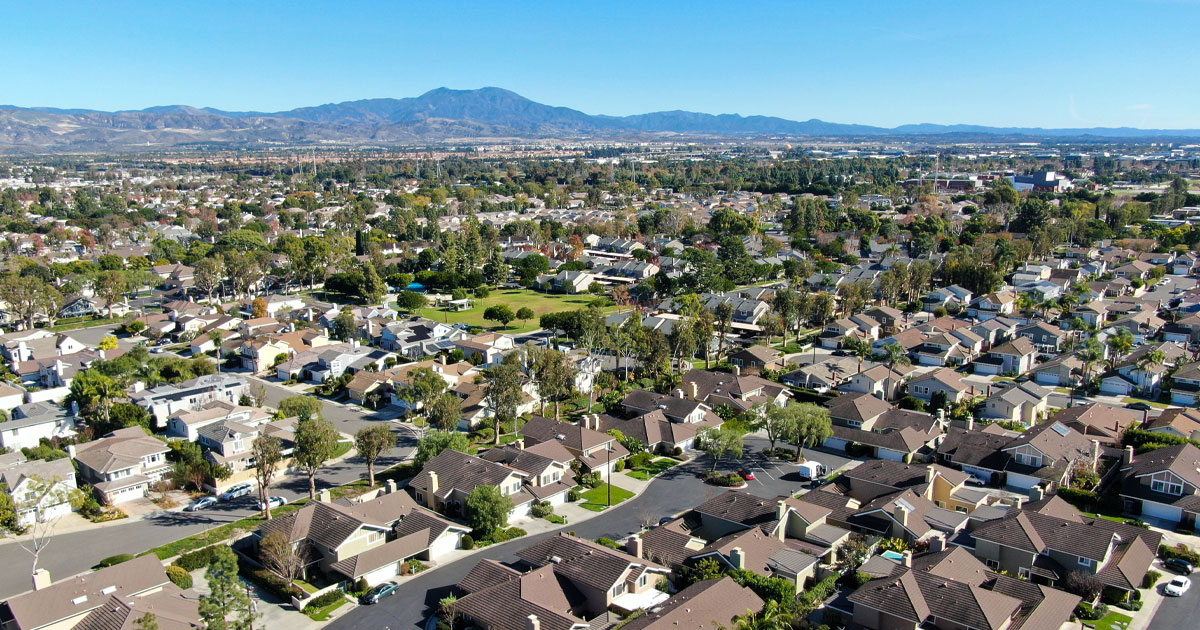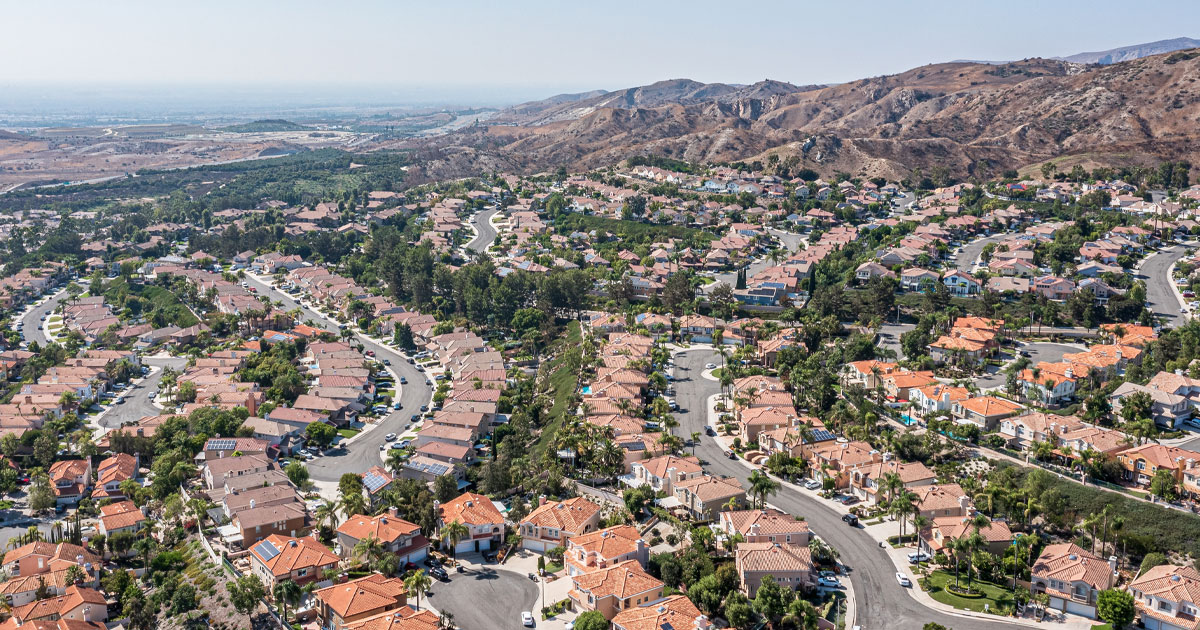
HOA management in Orange County continues to evolve as communities face increasing operational complexity. Rising costs, regulatory changes and homeowner expectations are reshaping how associations operate.
Boards are no longer managing simple administrative tasks. They are navigating financial planning, compliance requirements and community dynamics that require a more structured approach.
These responsibilities also create risk. When financial decisions, rule enforcement or compliance obligations are handled inconsistently, associations may face avoidable disputes, legal exposure or financial strain.
Understanding the most common HOA issues in 2026 helps boards prepare proactively rather than reacting after problems surface. Communities that address these challenges early tend to operate more consistently over time.
Rising Costs and Reserve Planning Pressure
One of the most consistent challenges facing HOAs in Orange County is financial pressure. Insurance premiums, vendor costs and long-term maintenance expenses continue to increase.
Many associations are discovering that reserve studies completed years ago no longer reflect current cost realities.
This creates a gap between projected and actual expenses.
Boards must evaluate:
- Reserve funding levels
- Deferred maintenance risks
- Special assessment exposure
Communities that take a proactive approach to financial planning are better positioned to avoid sudden budget shortfalls.
Strong financial oversight also helps boards make more defensible decisions. When budgets, reserve contributions and maintenance priorities are clearly documented, the association is better protected against claims that decisions were arbitrary, delayed or financially irresponsible.
Regulatory Complexity and Compliance Requirements
California HOA regulations continue to expand, adding layers of compliance that boards must navigate carefully. From meeting requirements to rental restrictions and disclosure obligations, boards are responsible for understanding how laws apply to their specific community.
Misinterpretation can lead to disputes or legal exposure.
Staying compliant requires more than awareness. It requires consistent processes and documentation. Professional management often plays a key role in maintaining that structure across board operations.
This matters because board decisions need to be both practical and defensible. Clear records, consistent procedures and proper guidance help reduce the risk of inconsistent enforcement, missed compliance steps or decisions that are difficult to justify later.
Homeowner Expectations and Communication Gaps
Homeowners expect faster responses, clearer communication and greater transparency from HOA boards.
At the same time, board members are volunteers balancing these expectations with limited time and experience.
This gap often leads to frustration on both sides.
Common challenges include:
- Delayed responses to homeowner concerns
- Inconsistent communication practices
- Lack of clarity around rules and enforcement
Establishing structured communication processes helps reduce friction and improve overall community engagement.
Clear communication also supports risk management. When homeowners receive consistent information and boards follow documented communication protocols, associations are less likely to face misunderstandings that escalate into formal complaints or disputes.
Maintenance Backlogs and Infrastructure Management
Many Orange County communities are aging. As infrastructure matures, maintenance demands increase.
Deferred maintenance can quickly become a larger financial and operational issue.
Boards must balance:
- Immediate repair needs
- Long-term capital planning
- Vendor coordination and oversight
Without clear planning, maintenance issues tend to compound over time.
Communities that implement structured maintenance strategies experience fewer unexpected disruptions.
They also reduce exposure tied to neglected repairs, safety concerns or poorly documented maintenance decisions. Professional management helps boards prioritize maintenance with a clear record of vendor recommendations, budget considerations and board approvals.
Governance Consistency and Board Turnover
Board turnover remains a consistent challenge across many associations.
New board members often enter without formal training, leading to shifts in decision-making styles and governance approaches.
This lack of continuity can create instability.
Consistent governance requires:
- Clear processes
- Documented procedures
- Defined roles and responsibilities
Communities that maintain structured governance systems are less affected by changes in board leadership.
Consistency is also one of the strongest protections a board can have. When policies are applied evenly and decisions follow documented procedures, the board is better positioned to demonstrate that it acted in good faith and in the best interest of the association.
Self-Managed vs Professionally Managed HOAs
Management structure plays a direct role in how effectively these challenges are handled.
| Category | Self-Managed HOA | Professionally Managed HOA |
| Financial Oversight | Varies based on board experience | Structured reporting and reserve planning |
| Compliance | Risk of misinterpretation | Aligned with current regulations |
| Communication | Inconsistent across boards | Standardized processes |
| Maintenance Planning | Often reactive | Proactive and scheduled |
| Community Stability | Dependent on volunteer capacity | Supported by established systems |
| Risk Management | Decisions may lack documentation or consistency | Processes support defensible board decisions |
How Professional HOA Management Supports Communities
As HOA operations become more complex, many Orange County communities are relying on professional management to provide consistency.
Management companies support:
- Financial planning and reporting
- Compliance with state regulations
- Vendor coordination and maintenance oversight
- Structured communication with homeowners
- Documentation that supports consistent and defensible decision-making
This support allows boards to focus on decision-making rather than administrative execution.
Professional management is not just operational support. It also helps reduce risk by creating structure around how decisions are made, recorded and communicated.
The result is a more stable and predictable operating environment for the community.
Preparing for HOA Challenges in 2026 and Beyond
The issues facing HOAs in Orange County are not temporary. They reflect broader shifts in cost structures, regulatory expectations and homeowner demand.
Communities that recognize these trends early are better equipped to adapt.
Preparation involves:
- Reviewing financial strategies
- Strengthening governance processes
- Improving communication systems
- Aligning management structure with community needs
- Ensuring board decisions are documented, consistent and defensible
When these elements are addressed proactively, associations are more resilient over time.
Strong HOA management helps communities operate with clarity today while reducing preventable financial, legal and governance risks in the future.
FAQs: Orange County HOA Management
The most common challenges include rising costs, reserve funding gaps, regulatory compliance, maintenance planning and increasing homeowner expectations.
Costs are rising due to higher insurance premiums, increased vendor pricing and aging infrastructure that requires more frequent maintenance.
Boards can maintain compliance by following structured processes, documenting decisions and working with professionals who understand current state requirements.
Professional HOA management helps reduce risk by supporting consistent processes, clear documentation, financial oversight and compliance practices that help boards make more defensible decisions.
Professional management provides structure, consistency and operational support, helping boards manage financial, legal and maintenance responsibilities more effectively.
Associations should consider professional management when operational complexity increases, board turnover becomes frequent or administrative demands exceed volunteer capacity.
An effective management company provides consistent processes, clear communication, financial oversight, compliance support and guidance that aligns with the specific needs of the community.
About Crummack Huseby
Crummack Huseby is an award-winning property management and consulting firm serving homeowners associations and builder communities across Southern California. Since 1999, we’ve partnered with HOA boards, developers, and homeowners to provide personalized management, strategic guidance, and exceptional service. Our team believes in building strong relationships, transparent communication, and custom solutions that help communities thrive.
To learn more about how we can support your HOA or builder project, click here.