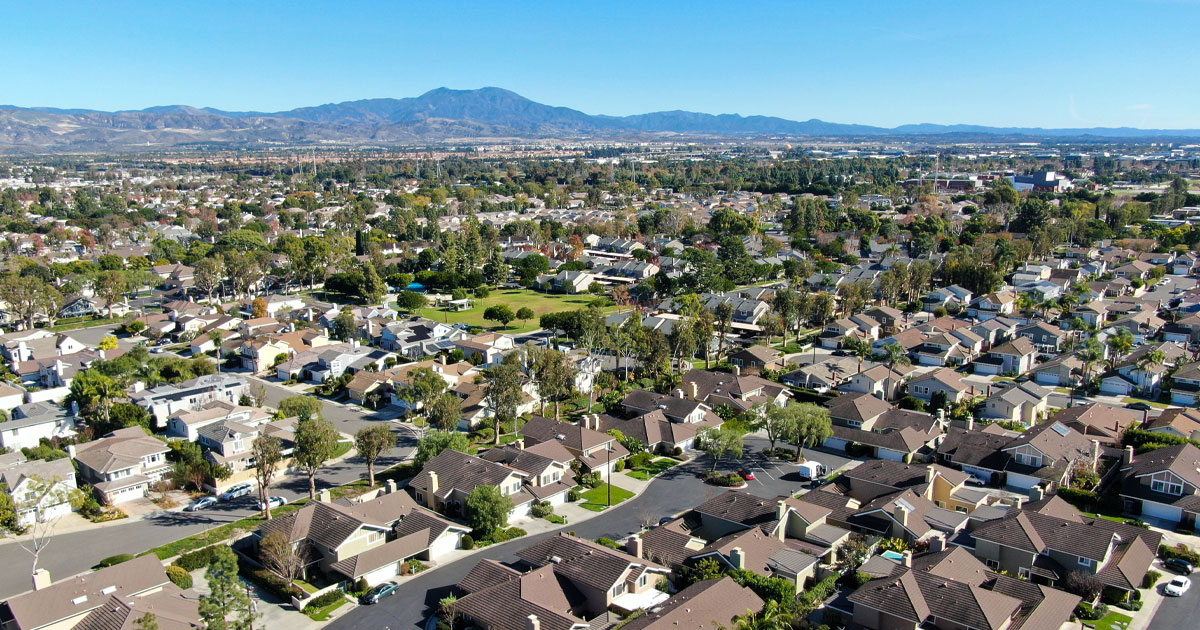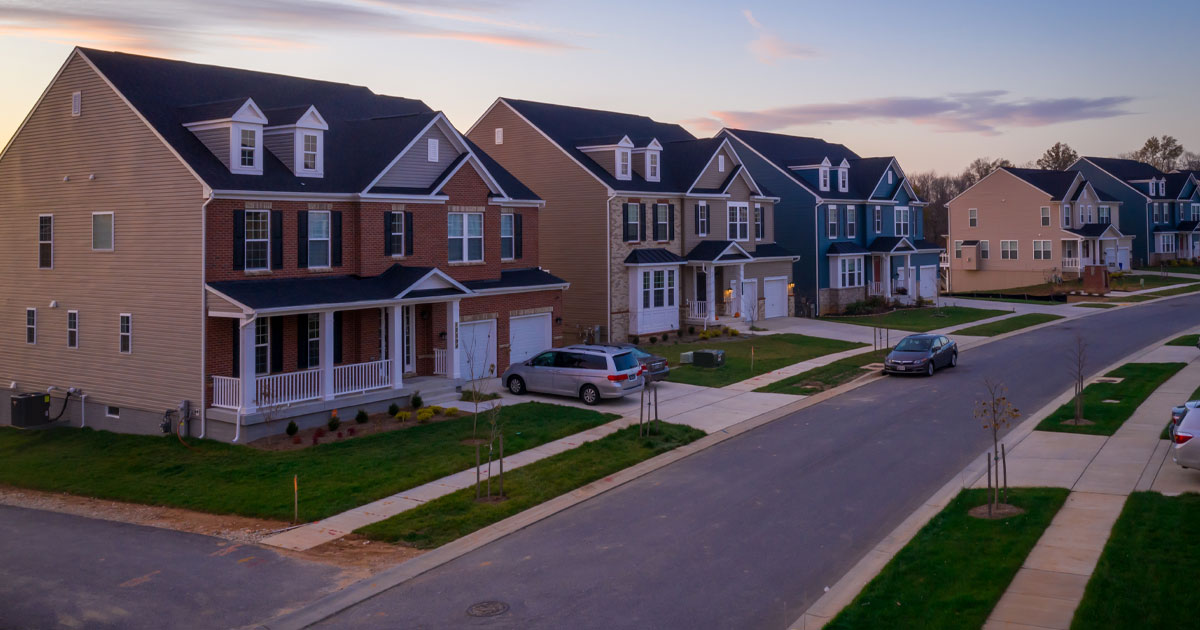
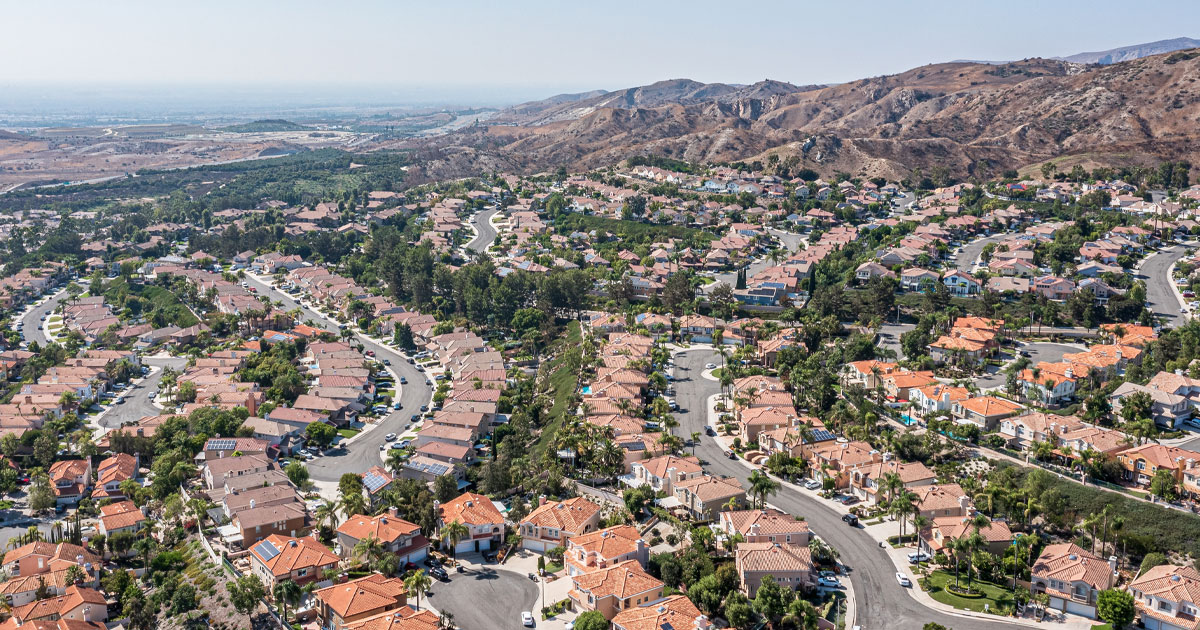
Mission Viejo, Laguna Niguel and Aliso Viejo are three of South Orange County’s most established association-heavy communities. Each city has its own housing profile, but they share many of the same HOA management pressures: aging common areas, rising insurance costs, higher homeowner expectations, infill development, maintenance planning, enforcement changes and the need for clearer board communication.
For HOA boards, these trends matter because community management is becoming more complex. The communities that perform well in the next several years will not simply be the ones with attractive landscaping or consistent meeting schedules. They will be the communities that plan ahead, communicate clearly, manage reserves responsibly and work with a professional HOA management partner that understands South Orange County.
Crummack Huseby Property Management supports HOA boards across Orange County with practical management, board guidance, vendor coordination and communication support designed for real communities, not generic property management checklists.
Why These South Orange County HOA Markets Matter
Mission Viejo, Laguna Niguel and Aliso Viejo are ideal markets for hyperlocal HOA content because they are mature, highly residential and closely tied to common-interest living. These are not one-size-fits-all communities. They include single-family associations, condominium communities, townhome communities, master-planned neighborhoods, gated communities and associations with complex common area responsibilities.
| City | HOA Management Profile | Why It Matters |
|---|---|---|
| Mission Viejo | Established master-planned neighborhoods, lake-area communities, aging infrastructure and new housing pressure | Boards need support with long-term maintenance, reserve planning, homeowner communication and changing city growth patterns |
| Laguna Niguel | Master-planned South Orange County city with more than 120 HOAs | Association governance is central to the city’s residential character and property-value preservation |
| Aliso Viejo | Master-planned community with active residential redevelopment and townhome projects | New housing and infill development increase the need for early HOA planning, transition support and scalable management systems |
For search visibility, these city-specific pages matter because homeowners and board members often search locally. Queries such as “Mission Viejo HOA mgmt,” “Laguna Niguel HOA mgmt” and “Aliso Viejo HOA mgmt” reflect a different intent than broad searches like “HOA management company.” Local searchers usually want a management company that understands the neighborhoods, vendors, city dynamics and homeowner expectations in their area.
Trend 1: Mature HOA Communities Need Stronger Reserve Planning
Many South Orange County communities are no longer new. Even well-maintained associations eventually face major repair and replacement cycles involving roofing, asphalt, slopes, irrigation systems, gates, pool areas, lighting, fencing, walls, clubhouses and other shared components.
This is especially important in Mission Viejo and Laguna Niguel, where many communities were built decades ago and now require more careful long-term planning. Boards may be balancing homeowner resistance to assessment increases with the reality of rising repair costs.
Reserve planning is not just an accounting exercise. It is a board responsibility that affects the long-term health of the community.
| Reserve Planning Issue | Board Impact |
|---|---|
| Aging asphalt and pavement | Delays can increase repair costs and disrupt residents |
| Older irrigation systems | Water waste, plant loss and slope concerns may increase operating costs |
| Roof and building components | Condominium and townhome associations may face major capital needs |
| Pool and recreation amenities | High-visibility amenities require ongoing investment |
| Gates and access systems | Security, convenience and vendor responsiveness become homeowner concerns |
| Walls, fencing and monument signs | Visible deterioration can affect homeowner confidence and curb appeal |
For HOA boards, the key is to avoid managing by emergency. A professional management company can help organize reserve study updates, vendor proposals, maintenance schedules and homeowner communication so large projects do not come as a surprise.
Trend 2: New Housing and Infill Development Are Changing Local Expectations
Even in established South Orange County cities, housing growth is still part of the conversation. Mission Viejo’s state-certified Housing Element identifies sites and strategies to accommodate approximately 2,217 new housing units during the current planning cycle. Aliso Viejo is also seeing active residential project activity, including proposed or approved townhome and residential redevelopment projects on sites such as Argonaut, Freedom Lane, Aliso Creek Road, Aliso Viejo Parkway and Polaris.
These trends matter for HOA management because new housing does not only affect future residents. It can also influence traffic, parking expectations, infrastructure pressure, neighborhood character, homeowner concerns and the way nearby associations think about communication and governance.
Infill development often creates questions such as:
- How will added density affect parking and traffic near existing communities?
- Will new townhomes or residential projects create new association responsibilities?
- How should nearby HOAs communicate with homeowners about local development?
- Are city planning updates relevant to board discussions?
- Will future communities require developer transition services or early HOA planning?
For Aliso Viejo in particular, redevelopment of office or vacant parcels into residential communities creates a strong need for new community management expertise. New communities must be set up with realistic budgets, vendor scopes, governing document practicality and transition planning before the homeowner board inherits responsibility.
Trend 3: Laguna Niguel’s HOA Density Raises the Bar for Board Governance
Laguna Niguel is not just a city with HOAs. It is a master-planned South Orange County community with more than 120 homeowner associations. That means HOA governance plays a major role in how the city looks, feels and functions.
When a city has that level of association activity, homeowners become more familiar with HOA standards. They expect landscaping to be maintained, common areas to be clean, rules to be applied consistently and boards to communicate clearly.
For Laguna Niguel boards, the challenge is not only managing the association. It is managing homeowner expectations in a city where association living is normal and visible.
Strong board governance includes:
| Governance Area | Why It Matters in Laguna Niguel |
|---|---|
| Consistent enforcement | Homeowners expect rules to be applied fairly across the community |
| Clear architectural processes | Exterior changes can affect neighborhood character and property values |
| Vendor oversight | Landscaping and common area maintenance are highly visible |
| Meeting documentation | Boards need defensible records for decisions |
| Homeowner communication | Residents expect timely updates and professional responses |
| City awareness | HOAs remain subject to city zoning codes and ordinances |
This is where experienced Laguna Niguel HOA mgmt support can make a meaningful difference. A board should not have to reinvent every process. The right management partner helps bring structure to enforcement, communication, maintenance and meeting follow-up.
Trend 4: Insurance Pressure Is Reshaping HOA Budgets
Insurance remains one of the most important HOA issues in California. Associations may face higher premiums, larger deductibles, reduced coverage options or more detailed underwriting questions. For communities with shared structures, brush exposure, slopes, aging infrastructure or large common areas, insurance can have a major budget impact.
Mission Viejo, Laguna Niguel and Aliso Viejo boards should not wait until renewal season to think about insurance. A better approach is to maintain stronger documentation throughout the year.
That may include:
- Maintenance records
- Roof and building component updates
- Fire-hardening or vegetation management documentation
- Vendor insurance certificates
- Claims history review
- Reserve study coordination
- Board meeting records related to risk reduction
Insurance increases can be difficult to explain to homeowners. Boards need to communicate that insurance pricing is affected by broader market conditions, property risk, claims exposure and coverage availability. Clear communication does not eliminate frustration, but it helps homeowners understand that the board is managing a real market issue rather than simply raising dues without cause.
Trend 5: Wildfire Readiness and Slope Management Are Becoming More Important
South Orange County communities often include slopes, open space edges, landscaped fuel zones, hillside areas and mature trees. Even communities that are not in the highest-risk fire zones may still need to think carefully about vegetation management, emergency access and insurance documentation.
For boards, wildfire readiness is not just about emergency planning. It is also about ongoing maintenance.
| Wildfire or Slope Concern | HOA Management Response |
|---|---|
| Overgrown vegetation | Coordinate qualified vendors and document completed work |
| Irrigation failures | Track repairs quickly, especially on slopes or common areas |
| Tree maintenance | Maintain regular trimming schedules and risk review |
| Homeowner confusion | Communicate what the HOA handles versus homeowner responsibility |
| Insurance questions | Keep records that may support underwriting conversations |
| Vendor accountability | Confirm scopes, timelines and follow-up |
Mission Viejo, Laguna Niguel and Aliso Viejo communities can benefit from management teams that understand how routine landscaping decisions connect to larger risk and insurance conversations.
Trend 6: Homeowners Expect Better Communication
One of the clearest trends in HOA management is that homeowners expect faster and clearer communication. They want to know why assessments are increasing, when vendors will complete work, how architectural requests are reviewed, what the board decided and how enforcement issues are handled.
For boards, this creates pressure. Volunteer directors may not have the time or training to manage every question directly. That is why professional management systems matter.
Good communication is not just about being responsive. It is about being organized.
| Communication Need | What a Management Company Should Support |
|---|---|
| Board meeting updates | Clear agendas, packets, minutes and follow-up |
| Maintenance projects | Timelines, vendor updates and homeowner notices |
| Assessment increases | Plain-language budget explanations |
| Rule enforcement | Consistent notices and documented procedures |
| Architectural requests | Process clarity and status tracking |
| Emergency issues | Fast escalation and clear homeowner direction |
Boards that communicate early tend to face fewer surprises. Boards that communicate only when there is a problem often lose trust before they have a chance to explain the issue.
Trend 7: Enforcement Is Becoming More Process-Driven
California’s HOA enforcement environment has become more sensitive, especially as homeowners pay closer attention to fines, hearings and procedural fairness. Boards need to be consistent, careful and well-documented when enforcing governing documents.
The point is not to stop enforcing rules. The point is to enforce them properly.
A strong enforcement process should include:
- Clear rule language
- Documented observations
- Proper notice
- Opportunity for homeowner response where required
- Consistent board review
- Accurate minutes or records
- Appropriate escalation when needed
This is especially important in communities where architectural standards, parking, pets, noise, landscaping, short-term rentals or exterior modifications frequently come up.
For Mission Viejo, Laguna Niguel and Aliso Viejo HOA boards, process is protection. The more consistent the process, the easier it is to defend the decision and maintain homeowner confidence.
Trend 8: Vendor Management Is Becoming More Strategic
Vendor costs remain a major concern for Orange County associations. Landscaping, maintenance, pool service, patrol, janitorial service, insurance, legal support and construction-related work all affect the budget.
Boards may be tempted to choose the lowest bid, but low cost does not always equal good value. A weak scope, poor communication or unreliable performance can create more work for the board and more frustration for homeowners.
A management company should help boards compare vendors in a structured way:
| Vendor Review Factor | Why It Matters |
|---|---|
| Scope of work | Prevents confusion over what is included |
| Pricing structure | Helps boards understand base fees and extra charges |
| Insurance and licensing | Protects the association from unnecessary risk |
| Performance history | Shows whether the vendor can meet expectations |
| Communication standards | Reduces follow-up burden on the board |
| Renewal terms | Prevents missed deadlines and automatic extensions |
Professional vendor management is one of the main reasons boards hire an HOA management company. It helps keep directors focused on governance rather than chasing every service issue themselves.
What This Means for Mission Viejo HOA Boards
Mission Viejo HOA boards should pay close attention to aging infrastructure, reserve funding, budget communication and the impact of local housing activity. The city’s housing planning efforts and recent development discussions show that even established communities are operating in a changing environment.
Boards should prioritize:
- Updated reserve studies
- Clear homeowner budget communication
- Strong architectural and enforcement procedures
- Vendor accountability
- Awareness of local planning and traffic concerns
- Long-term maintenance schedules
Mission Viejo HOA mgmt should be practical, organized and proactive. Boards need more than meeting support. They need a management partner that understands how financial planning, homeowner expectations and community maintenance fit together.
What This Means for Laguna Niguel HOA Boards
Laguna Niguel’s high concentration of HOAs makes professional governance especially important. With more than 120 associations in the city, homeowners are familiar with HOA standards and often expect strong management.
Boards should focus on:
- Consistent rule enforcement
- Architectural review clarity
- Landscaping and common area standards
- Communication responsiveness
- Vendor performance tracking
- City code awareness
- Reserve planning for aging common areas
Laguna Niguel HOA mgmt should help boards maintain property values and community standards without creating unnecessary conflict.
What This Means for Aliso Viejo HOA Boards
Aliso Viejo is a master-planned community with active residential redevelopment activity. New townhome and residential projects can create opportunities, but they also increase the importance of strong community setup and management planning.
Boards and developers should pay attention to:
- New community management needs
- Developer transition planning
- Parking and traffic concerns
- Amenity planning
- Maintenance responsibility clarity
- Budget realism
- Homeowner communication from the beginning
Aliso Viejo HOA mgmt should be prepared for both mature community operations and new community launches. That combination makes developer services and transition planning especially important.
How Crummack Huseby Supports South Orange County HOAs
Crummack Huseby Property Management supports HOA boards throughout Orange County with professional community management built around board support, communication, vendor coordination, financial process support and long-term planning.
Our team understands that Mission Viejo, Laguna Niguel and Aliso Viejo communities are not interchangeable. Each city has its own development history, homeowner expectations, maintenance needs and governance challenges.
For boards seeking local HOA management support, the right partner should bring both process and judgment. That means helping the board stay organized, communicate clearly, plan responsibly and make decisions that support the community over time.
Final Thoughts: Hyperlocal HOA Management Matters
Mission Viejo, Laguna Niguel and Aliso Viejo HOAs are facing a more complex management environment. Aging infrastructure, insurance pressure, reserve planning, local housing growth, wildfire readiness, vendor costs and homeowner expectations are all shaping how boards need to operate.
The communities that navigate these trends well will be the ones that treat HOA management as a strategic function, not just an administrative service.
If your board is evaluating Mission Viejo HOA mgmt, Laguna Niguel HOA mgmt or Aliso Viejo HOA mgmt support, contact Crummack Huseby Property Management to discuss how experienced Orange County community management can help your association operate with more clarity, consistency and confidence.
FAQs About Mission Viejo, Laguna Niguel and Aliso Viejo HOA Management
The top HOA trends include aging common areas, reserve funding pressure, insurance cost increases, wildfire readiness, homeowner communication expectations, vendor management challenges, enforcement complexity and local housing growth.
Hyperlocal HOA management is important because each city has different community layouts, homeowner expectations, vendor needs, development patterns and city requirements. A local management partner can help boards make decisions with better context.
The City of Laguna Niguel identifies itself as a master-planned South Orange County community with more than 120 homeowner associations. That makes HOA governance a major part of the city’s residential character.
Mission Viejo HOA boards should focus on reserve planning, aging infrastructure, budget communication, vendor management, local housing activity and consistent board processes.
Laguna Niguel HOA boards should focus on architectural review, rule enforcement, landscaping standards, reserve planning, vendor oversight and homeowner communication.
Aliso Viejo HOA boards should focus on new housing activity, developer transition planning, townhome and condominium management needs, parking concerns, maintenance responsibilities and communication systems.
Reserve studies help boards plan for major repairs and replacements. In mature communities, reserve planning is especially important because roofs, pavement, gates, walls, pools and other components may be approaching major repair cycles.
New housing can affect nearby communities through traffic, parking, infrastructure pressure, neighborhood expectations and homeowner concerns. It can also create new association management needs when new developments include common areas or shared responsibilities.
HOA insurance costs can rise because of broader insurance market conditions, wildfire risk, claims history, construction costs, reinsurance pressure and the characteristics of the property being insured.
Boards can improve communication by sharing clear meeting updates, explaining budget changes, documenting maintenance timelines, using consistent notices and responding through organized management systems.
Boards should look for local experience, HOA-specific expertise, strong communication, vendor oversight, financial process support, reserve planning coordination and a clear understanding of community complexity.
Crummack Huseby helps Orange County HOA boards with professional management, board support, homeowner communication, vendor coordination, financial process support, rule enforcement workflows and long-term community planning.
About Crummack Huseby
Crummack Huseby is an award-winning property management and consulting firm serving homeowners associations and builder communities across Southern California. Since 1999, we’ve partnered with HOA boards, developers, and homeowners to provide personalized management, strategic guidance, and exceptional service. Our team believes in building strong relationships, transparent communication, and custom solutions that help communities thrive.
To learn more about how we can support your HOA or builder project, click here.