Project Overview
| Detail | Information |
|---|---|
| Community | Serrano Heights Community Association |
| Location | Orange County, California |
| Community Size | Approximately 998 single-family homes |
| Community Type | Large master-planned residential community |
| Primary Focus | Wildfire preparedness, fuel-modification oversight, slope management and long-term risk reduction |
| Management Partner | Crummack Huseby Property Management |
| Management Relationship | More than 20 years |
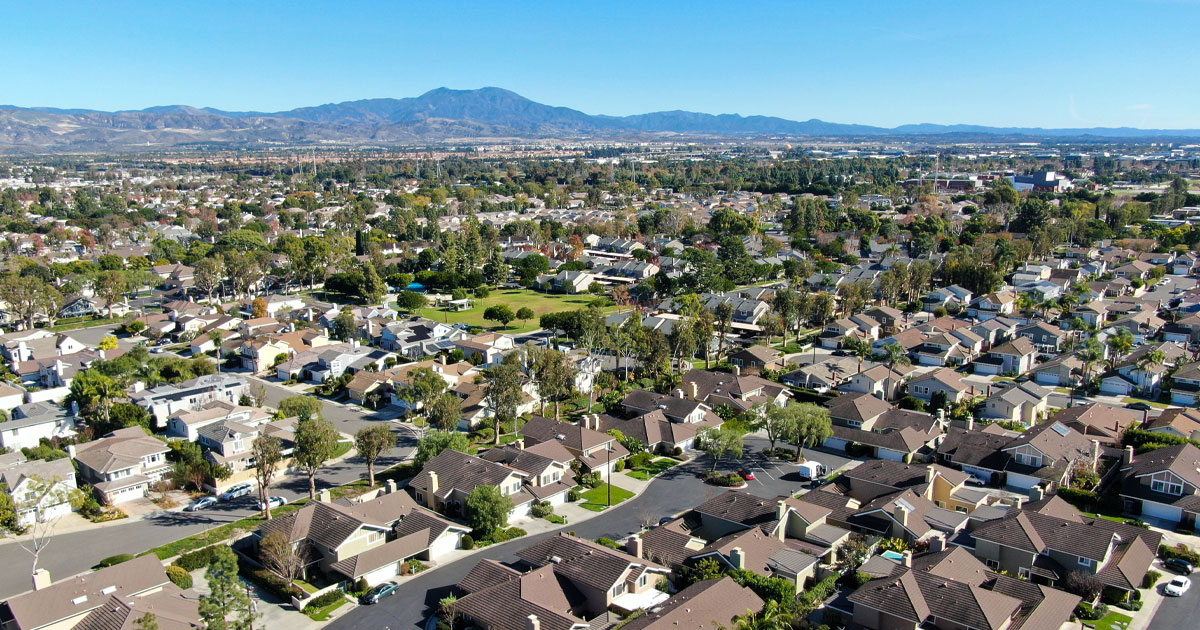
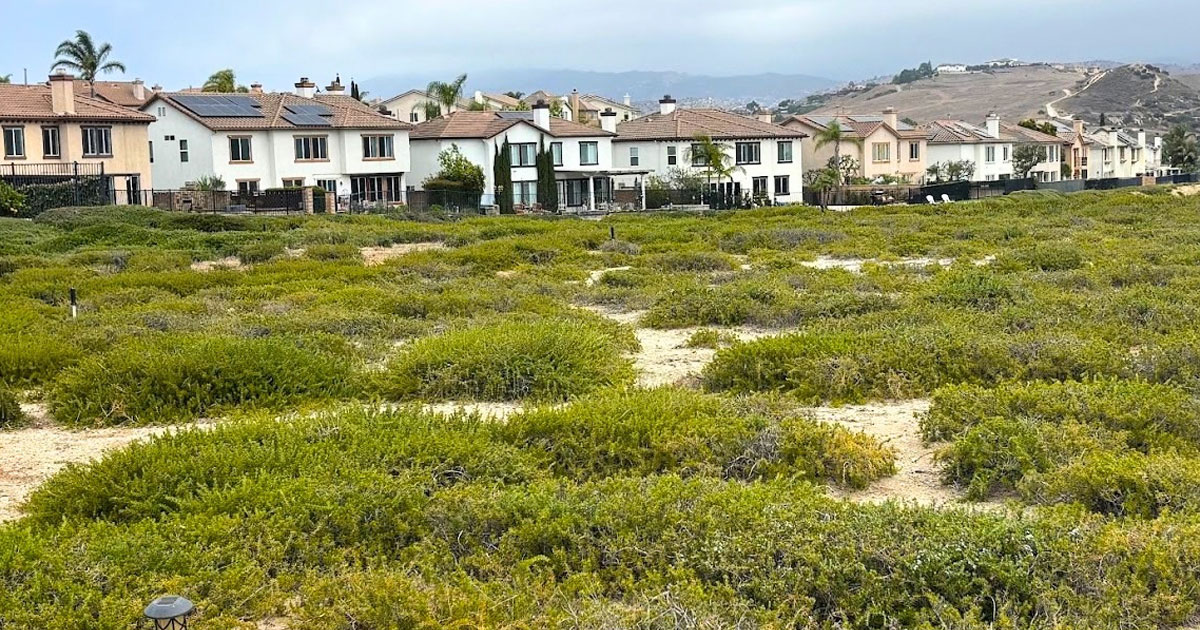
Serrano Heights Community Association is a large, mature master-planned community with nearly 1,000 single-family homes, extensive landscaped slopes and fuel-modification areas that require ongoing attention. In a community shaped by open space, slope conditions and wildfire-preparedness responsibilities, effective management cannot be limited to annual inspections or routine landscape maintenance.
The more important question for the Board is not simply whether the Association is compliant today. It is whether the community is making the right decisions now to better protect residents, property and shared assets in the years ahead
For more than two decades, Crummack Huseby Property Management has helped Serrano Heights approach that responsibility with continuity, institutional knowledge and proactive oversight. The work includes coordination with landscape professionals, identifying potential vulnerabilities early, supporting homeowner education and helping the Board look beyond the next fire season toward long-term community protection.
The Challenge: Managing Wildfire Preparedness Across a Large Community
Wildfire preparedness in a large master-planned community is not a once-a-year checklist. It is an ongoing management responsibility that depends on consistent oversight, strong vendor coordination and clear communication with homeowners.
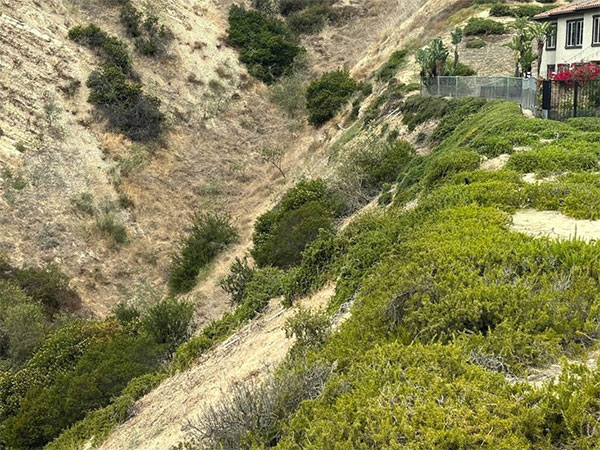
Serrano Heights includes extensive slopes and fuel-modification areas that require vegetation management, irrigation oversight and careful monitoring. Some responsibilities also extend into homeowner-maintained areas, which means the broader safety strategy depends on more than Association-controlled property alone.
That creates a layered management challenge. The Association must coordinate with vendors, monitor slope and fuel-modification conditions, help the Board understand future exposure and bring homeowners into the process when private property responsibilities affect the larger community.
For the Board, the issue is not only technical. It is also operational and relational. A successful wildfire-preparedness program depends on helping homeowners understand why certain actions matter, not just telling them what must be done.
Why Long-Term Institutional Knowledge Matters
Crummack Huseby has managed Serrano Heights since its development years, giving the team deep familiarity with the community’s slopes, original fuel-modification areas, maintenance responsibilities and developer turnover history.
That continuity matters. In communities with significant slope and fuel-modification responsibilities, historical knowledge can help management recognize when an issue is routine, when a condition has changed and when a concern may require more strategic attention from the Board.
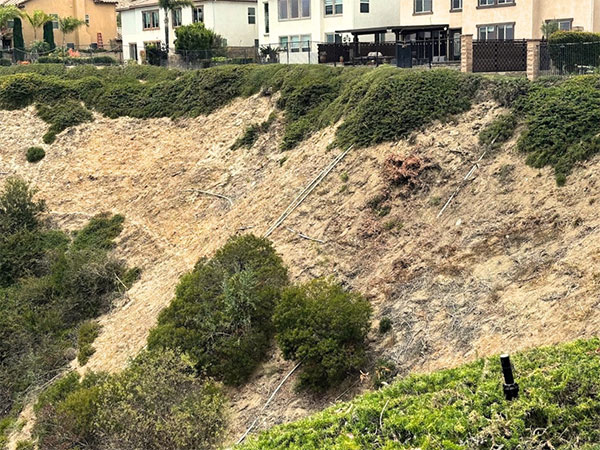
A newer management team may be able to read the documents. A long-term management partner understands how the community has evolved, what decisions have been made over time and where future vulnerabilities may appear.
| Management Advantage | Why It Matters for Serrano Heights |
|---|---|
| Long-term community history | Helps management understand original slope conditions, fuel-modification areas and prior turnover responsibilities |
| Vendor familiarity | Supports better accountability with landscape professionals and contractors |
| Board continuity support | Helps new and existing Board members understand long-term community needs |
| Early issue recognition | Allows management to identify vulnerabilities before they become larger problems |
| Homeowner education | Supports more productive conversations when responsibilities extend onto private property |
| Future planning | Helps the Board distinguish routine maintenance from larger risk-management needs |
For Serrano Heights, more than 20 years of management continuity is not just a tenure milestone. It is part of the Association’s risk-management infrastructure.
Crummack Huseby’s Approach: Look Ahead, Not Just at What Is Due Today
Crummack Huseby helps Serrano Heights manage wildfire-preparedness responsibilities by looking beyond the next inspection or landscape cycle. The goal is to help the Board understand current conditions while also identifying what may require future planning, funding or homeowner engagement.
That approach includes ongoing evaluation, vendor accountability, direct homeowner coordination and Board guidance.
| Focus Area | How Crummack Huseby Supports the Community |
|---|---|
| Slope and fuel-modification oversight | Continuously evaluates conditions throughout Association-maintained areas rather than relying only on annual inspections |
| Early vulnerability identification | Works with landscape professionals to determine where corrective action or long-term planning may be needed |
| Vendor accountability | Identifies deficiencies, documents required work and follows through to confirm completion |
| Homeowner coordination | Communicates directly with homeowners when fuel-modification responsibilities extend onto private property |
| Education before escalation | Helps homeowners understand why their participation matters to community safety |
| Board planning | Helps distinguish routine maintenance from conditions that may create safety, financial or operational exposure |
This level of management turns wildfire preparedness into an ongoing community practice rather than a seasonal scramble.
From Routine Maintenance to Community Risk Management
Slope maintenance and fuel-modification work can easily be viewed as recurring landscape tasks. For a community like Serrano Heights, they are more than that.
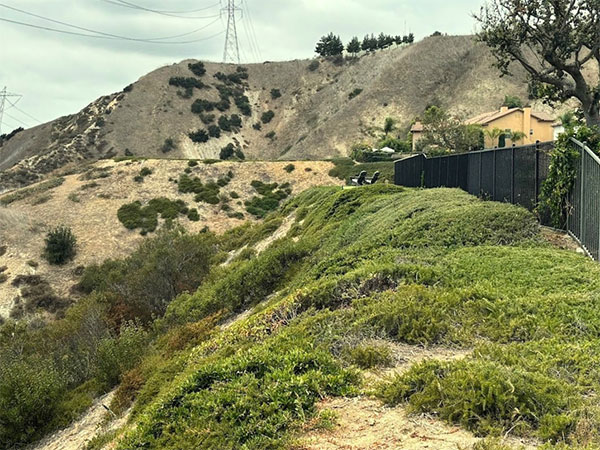
Vegetation management, irrigation performance, contractor follow-through and homeowner participation all affect the community’s broader preparedness posture. When those pieces are not coordinated, small issues can become larger concerns. Overgrown areas, irrigation problems, unclear homeowner responsibilities or incomplete vendor work can create operational risk for the Association and anxiety for residents.
Crummack Huseby’s role is to help the Board connect those pieces. That means monitoring conditions, working with the landscape contractor, documenting follow-up, communicating with homeowners and helping the Board understand which issues require immediate attention versus long-term planning.
Creating a Community-Wide Culture of Preparedness
Wildfire mitigation is strongest when the entire community understands its role. The Board has responsibilities. Management has responsibilities. Landscape vendors have responsibilities. Homeowners living near or adjacent to fuel-modification areas may also have responsibilities.
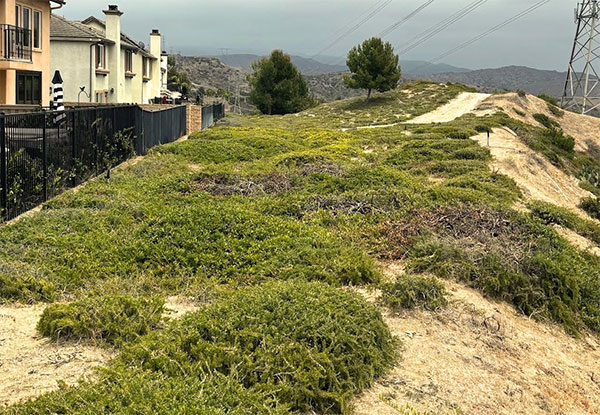
Crummack Huseby helps connect those groups by treating homeowner communication as part of the risk-management process. Instead of allowing fuel-modification requirements to become another compliance letter, management works directly with residents to explain the issue, the required action and how their property fits into the community’s larger preparedness strategy.
That approach matters because wildfire preparedness is easier to sustain when residents understand the purpose behind the request.
| Traditional Compliance Approach | Proactive Preparedness Approach |
|---|---|
| Send notices only when an issue is identified | Communicate early and explain why action matters |
| Treat homeowner responsibility as an isolated violation | Connect individual action to broader community safety |
| Rely on annual inspections | Monitor conditions and vulnerabilities throughout the year |
| Focus only on Association-maintained property | Coordinate where private-property responsibilities affect the larger community |
| Escalate quickly | Educate first when possible, then escalate when needed |
| React to visible problems | Plan ahead for future maintenance, funding and risk exposure |
This is where strong HOA management becomes more than administration. It helps build a culture where the Board, vendors and homeowners all understand their role in protecting the community.
Holding Vendors Accountable
For a community with extensive slopes and fuel-modification areas, vendor accountability is essential. The Board needs to know that landscape professionals are performing to expectations, deficiencies are being documented and required work is being completed.
Crummack Huseby helps the Board by identifying deficiencies, coordinating with contractors and following up to confirm completion. That oversight helps reduce the risk of missed work or unresolved conditions lingering until they become larger concerns.
Strong vendor management also gives the Board better visibility. Instead of relying only on assumptions or high-level reports, the Board can understand what has been identified, what action has been requested and what still needs attention.
Helping the Board Think Several Years Ahead
For Serrano Heights, the objective is not simply to get through the next fire season. The stronger goal is to keep asking what the community should be planning for next.
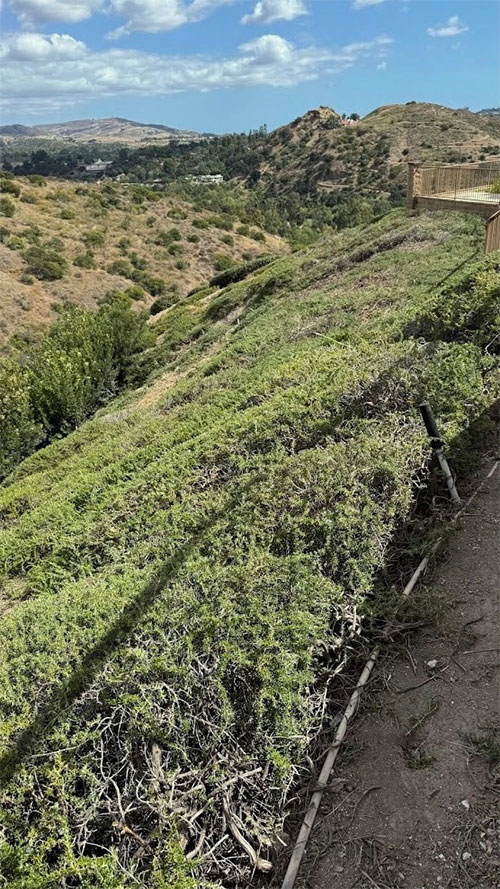
That means helping the Board evaluate questions such as:
- Where are the community’s most important vulnerabilities?
- Are current landscape and irrigation practices supporting future fire-safety needs?
- Are homeowners clear about their responsibilities?
- Are contractors performing to the expected standard?
- Are there projects or investments that should be planned and funded now instead of handled reactively later?
- What issues are not yet obvious but should be part of the Board’s long-term planning conversation?
These are the kinds of questions a strong management partner should bring to the Board. They help shift the conversation from immediate task completion to long-term protection.
The Result: Confidence Through Proactive Oversight
After more than 20 years, Serrano Heights has evolved from a developing master-planned community into a large, mature Association with increasingly sophisticated maintenance and risk-management responsibilities.
Crummack Huseby has been there throughout that evolution.
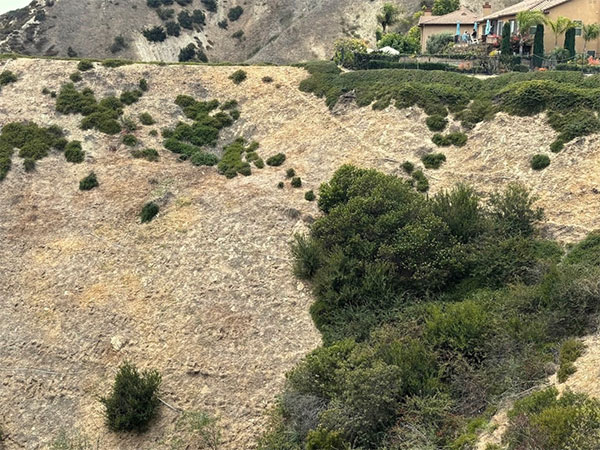
The result is more than continuity. It is a management relationship built on institutional knowledge, direct homeowner engagement, vendor accountability and long-term planning. That gives the Board greater confidence that the Association is not simply reacting to visible issues, but actively working to identify and address potential concerns before they become larger problems.
| Community Need | Management Value |
|---|---|
| Wildfire preparedness | Ongoing oversight of fuel-modification and slope-related responsibilities |
| Homeowner participation | Direct communication and education where private-property responsibilities matter |
| Vendor performance | Follow-up with contractors to address deficiencies and confirm completion |
| Board confidence | Long-term context and proactive planning support |
| Risk reduction | Early identification of vulnerabilities before they become larger concerns |
| Long-term protection | Planning beyond the next fire season or inspection cycle |
Board Testimonial
“Managing a community of nearly 1,000 homes surrounded by slopes and fuel-modification areas requires more than just addressing issues as they arise. We appreciate having a management team that has worked for us for more than two decades and understands the history of our community, stays engaged with the homeowners directly as well as with our landscape partners and helps us identify and address potential concerns before they become larger problems.
That proactive approach gives the Board greater confidence that we are planning not just for the next fire season, but for the long-term protection of our community.”
— Carlos, Board President
Why This Case Study Matters for HOA Boards
Serrano Heights shows why large communities need more than basic management. When a community has extensive slopes, open space, fuel-modification zones and homeowner-maintained areas that affect broader safety goals, the management company must bring structure, communication and long-term thinking to the process.
For HOA Boards, the lesson is clear: wildfire preparedness is not only about compliance. It is about knowing the community, coordinating the right people, educating homeowners, holding vendors accountable and planning before issues become urgent.
A Board should expect its management partner to help identify risk, not just respond after a problem appears.
Why This Case Study Matters for Developers and Master-Planned Communities
Serrano Heights is also a strong example for developers and new master-planned communities. Slope systems, fuel-modification areas and open-space adjacencies are long-term responsibilities that will eventually belong to the Association and its homeowner-controlled Board.
The way those responsibilities are documented, transitioned and managed can affect the community for decades.
For developers, this case study reinforces the value of involving an experienced community management partner early. Long-term management is not only about maintaining what was built. It is about helping future Boards understand what they inherited, how the community should be maintained and where risks may emerge over time.
Final Takeaway
Protecting a community like Serrano Heights is not just about responding well when something happens. It is about doing the work early enough to reduce the chance of larger issues developing later.
Through more than 20 years of management continuity, Crummack Huseby has helped Serrano Heights maintain a forward-looking approach to wildfire preparedness, slope oversight, homeowner education and vendor accountability. The work is ongoing, but the value is clear: a Board that is better informed, homeowners who better understand their role and a community that is planning beyond the next fire season.
For large HOAs, master-planned communities and communities with slope or fuel-modification responsibilities, that kind of proactive management is not optional. It is essential to long-term community protection.
See What's Possible for Your HOA
If your HOA Board is responsible for slopes, fuel-modification areas, open-space edges or complex community assets, Crummack Huseby Property Management can help.
Contact Crummack Huseby to learn how experienced community management can support wildfire preparedness, vendor accountability, homeowner communication and long-term planning.
About Crummack Huseby
Crummack Huseby is an award-winning property management and consulting firm serving homeowners associations and builder communities across Southern California. Since 1999, we’ve partnered with HOA boards, developers, and homeowners to provide personalized management, strategic guidance, and exceptional service. Our team believes in building strong relationships, transparent communication, and custom solutions that help communities thrive.
To learn more about how we can support your HOA or builder project, click here.