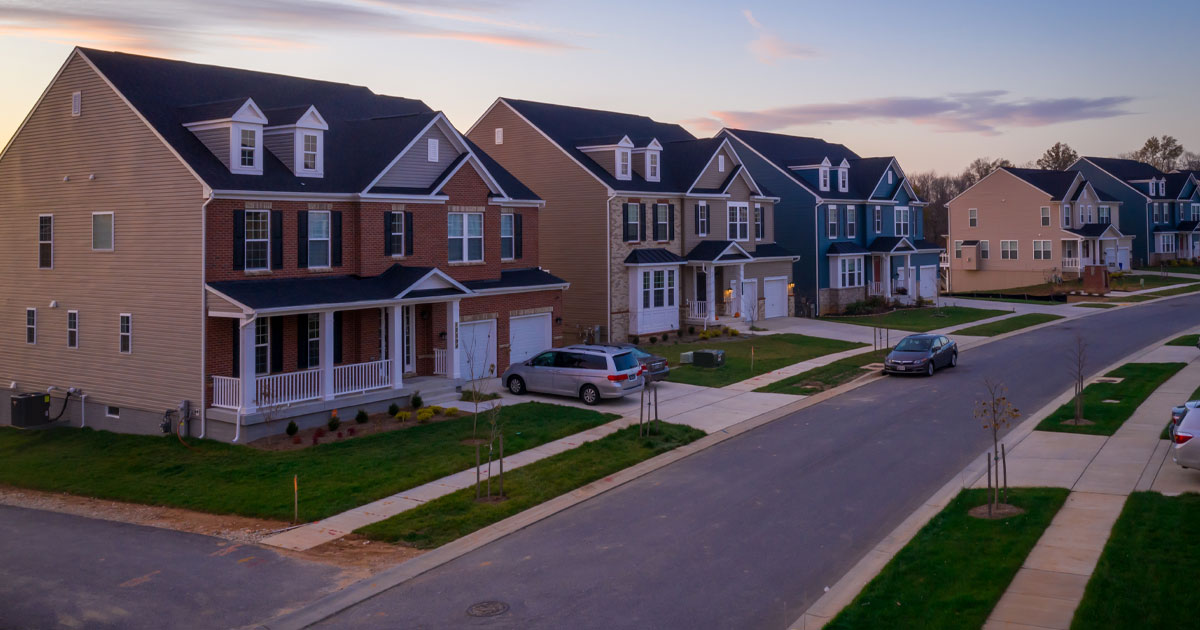
New community management is becoming increasingly important in Orange County as developers, builders and early-stage homeowner associations navigate a more complex housing environment. New residential communities are not just construction projects. They are future associations with budgets, governing documents, maintenance obligations, vendor needs, amenities, homeowner expectations and eventual transition requirements.
When HOA planning starts too late, the community can inherit avoidable problems. Budgets may not reflect real operating costs. Maintenance responsibilities may be unclear. Vendor scopes may be incomplete. Homeowners may not understand how the association works. The first homeowner-controlled board may take over without the records, training or financial clarity needed to govern effectively.
That is why HOA property management developer services are becoming more valuable. Developers need management partners who can support the community before turnover, not only after the first board meeting under homeowner control.
Crummack Huseby Property Management provides HOA builder and developer services, pre-development HOA consulting and developer transition services designed to help Orange County communities launch with stronger structure and fewer surprises.
What Is New Community Management?
New community management is the specialized HOA management support provided before, during and after a new residential community is launched. It helps developers, builders and new boards create the operational foundation for the association.
Unlike traditional HOA management, which often begins after a community is already established, new community management starts earlier. It may support budget planning, document review, service planning, vendor coordination, homeowner communication, board preparation and transition from developer control to homeowner control.
| Management Stage | Main Focus | Why It Matters |
|---|---|---|
| Pre-development planning | Association structure, budget assumptions, maintenance responsibilities and service expectations | Helps the developer build a community that can operate realistically |
| Community launch | Vendor setup, homeowner communication, assessment processes and early operations | Creates a smoother resident experience from the beginning |
| Developer control | Board support, records, budgets, maintenance and homeowner questions while the developer remains involved | Keeps the association organized before turnover |
| Transition planning | Document transfer, financial review, open issue tracking and board education | Prepares the homeowner board to govern |
| Post-transition stabilization | Board support, vendor review, reserve planning and communication | Helps the association settle into homeowner control |
The goal is to prevent the association from being treated as an afterthought. A community may be beautifully designed, but if the HOA is not planned properly, the resident experience can quickly become strained.
Why New Community Management Is Rising in Orange County
Orange County has limited land for new development, so new housing often comes in the form of master-planned phases, infill projects, townhomes, condominium communities, mixed-use redevelopment or smaller residential pockets. These projects tend to create more complicated association structures than simple single-family neighborhoods.
Aliso Viejo’s active residential redevelopment projects show how office buildings and vacant parcels can become new townhome or residential communities. Rancho Mission Viejo continues to represent one of the region’s most significant master-planned development areas. Mission Viejo and other Orange County cities are also responding to state housing mandates, local planning pressures and the need for additional housing units.
These development patterns create a stronger need for early HOA involvement.
| Orange County Development Trend | New Community Management Need |
|---|---|
| Infill residential projects | Clear maintenance responsibility planning and homeowner communication |
| Townhome and condominium development | More complex budgets, insurance, reserves and shared components |
| Master-planned community phases | Scalable systems, amenity planning and long-term transition strategy |
| Mixed-use or redevelopment projects | Careful coordination between residential, commercial and shared-area obligations |
| Age-qualified or lifestyle communities | Amenity management, resident communication and service-level planning |
| Higher construction and insurance costs | More realistic budgets and stronger reserve planning from the beginning |
The earlier a management company is involved, the easier it is to identify operational issues before they become homeowner complaints or board-level disputes.
New Community Management vs. Traditional HOA Management
New community management and traditional HOA management overlap, but they are not the same. Traditional management usually supports an existing association with established documents, vendors, budgets, homeowner expectations and board routines. New community management helps build those systems from the beginning.
| Category | New Community Management | Traditional HOA Management |
|---|---|---|
| Timing | Begins before or during community launch | Begins after the association is already operating |
| Primary client | Developer, builder, declarant or early-stage board | Homeowner-controlled board |
| Main challenge | Creating systems before problems become embedded | Improving or maintaining existing operations |
| Budget focus | Building realistic operating and reserve assumptions | Managing existing budgets and future funding needs |
| Communication focus | Educating first homeowners about the association | Supporting ongoing homeowner and board communication |
| Transition role | Prepares for turnover to homeowner control | Supports governance after turnover |
| Risk | Poor setup can create long-term operational issues | Weak execution can create service and trust issues |
The distinction matters because a new community needs more than routine task completion. It needs operational design.
Why Developers Need HOA Property Management Developer Services
Developers often focus on entitlements, construction, sales, amenities and project delivery. The HOA may seem like a later-stage concern, but association structure affects the long-term success of the community.
HOA property management developer services can help answer practical questions before turnover becomes urgent:
- What will the association maintain?
- Are the proposed assessments realistic?
- Do the governing documents match how the community will actually operate?
- What vendors need to be in place before homeowners move in?
- How will homeowners receive notices, invoices and community information?
- What records need to be preserved for the future board?
- What issues should be resolved before developer control ends?
These questions are not minor details. They shape how homeowners experience the community and how prepared the first board will be.
The Hidden Risk of Late HOA Planning
When developers wait too long to involve an HOA management partner, problems can become harder to fix. By the time the homeowner board takes control, the association may already have unclear maintenance obligations, unrealistic budgets, incomplete records or homeowner expectations that do not match the governing documents.
| Late Planning Problem | Long-Term Impact |
|---|---|
| Underestimated operating expenses | Future assessment increases may surprise homeowners |
| Missing maintenance details | Boards may dispute responsibility for repairs |
| Weak vendor scopes | Service quality may fall short of expectations |
| Incomplete records | Transition becomes slower and more frustrating |
| Poor homeowner education | Residents may misunderstand HOA rules and obligations |
| No reserve planning strategy | Major components may be underfunded from the start |
| Unclear communication channels | Early homeowner frustration can damage trust |
The most effective time to prevent these problems is before the association is fully turned over.
Budget Formation: The Foundation of New Community Management
A new community budget must be realistic enough to support daily operations and long-term maintenance. If the budget is too low, the association may look affordable at launch but struggle after homeowners take control.
Budget formation should consider:
| Budget Category | Examples |
|---|---|
| Operating expenses | Landscaping, utilities, management, janitorial service, access systems, insurance and administration |
| Reserve contributions | Long-term repair and replacement funding for common area components |
| Amenity costs | Pools, clubhouses, parks, trails, recreation areas or community rooms |
| Compliance support | Notices, enforcement processes, architectural review and records management |
| Vendor contracts | Service agreements, renewals, insurance certificates and scope management |
| Communication systems | Homeowner portals, notices, billing, meeting support and document access |
Developers should avoid using budgets that are technically low but operationally fragile. A realistic budget helps protect the developer, the association and the homeowners who will eventually govern the community.
Maintenance Responsibility Planning
One of the most common sources of HOA conflict is unclear maintenance responsibility. Homeowners may assume the association handles an item, while the board or governing documents may say otherwise.
In new communities, maintenance responsibility should be evaluated early and explained clearly. This is especially important for townhomes, condominiums, shared walls, slopes, private streets, gates, landscaping, utility systems, recreational amenities and exterior building components.
A management partner can help translate the community’s physical design into practical operational questions:
- Who maintains each component?
- How often will maintenance be needed?
- Which vendors are required?
- How will costs be funded?
- What should homeowners be told at move-in?
- How will responsibilities be documented for the future board?
When these questions are answered early, the association is less likely to face confusion later.
Vendor Setup and Service-Level Planning
New communities often require vendors before the homeowner board is fully active. Landscaping, janitorial service, pool maintenance, gate service, patrol, waste services, insurance, accounting, legal support and other vendors may need to be in place from the start.
A management company can help developers organize vendor setup by comparing scopes, aligning service levels with budget assumptions and tracking contract terms.
| Vendor Planning Area | Why It Matters |
|---|---|
| Scope clarity | Prevents disagreements about what the vendor is responsible for |
| Timing | Ensures services begin when homeowners expect them |
| Insurance and licensing | Helps protect the association and developer |
| Cost alignment | Keeps the budget connected to actual service needs |
| Performance tracking | Creates accountability before turnover |
| Contract records | Supports a smoother transition to the homeowner board |
Vendor setup is not just procurement. It is part of the community’s operating foundation.
Developer Transition Services: Preparing for Homeowner Control
Developer transition services support the transfer of control from the developer or declarant to the homeowner board. This is one of the most important phases of new community management.
A strong transition process should include:
- Governing document organization
- Financial record review
- Vendor contract summary
- Reserve study review
- Common area responsibility review
- Open issue tracking
- Homeowner board education
- Communication planning
- Post-transition stabilization
The goal is to help the new board understand what it is inheriting. That includes what has been built, what has been funded, what still needs attention and what responsibilities belong to the association.
Without transition support, homeowner boards can become overwhelmed quickly. With the right structure, they can begin governance with more confidence.
How New Community Management Supports Better Homeowner Experience
Homeowners may not think about HOA setup when they buy a new home. They notice the results. They notice whether the landscaping is maintained, whether assessments make sense, whether communication is clear and whether rules are explained consistently.
New community management improves the resident experience by helping the association function clearly from the beginning.
| Homeowner Experience Issue | Management Impact |
|---|---|
| Move-in questions | Homeowners receive clearer guidance about assessments, rules and contacts |
| Amenity expectations | Service levels are aligned with budget and vendor support |
| Architectural requests | Processes are established early |
| Maintenance concerns | Responsibility and reporting channels are clearer |
| Assessment questions | Budget assumptions are easier to explain |
| Board transition | Homeowners see a more organized shift to owner control |
The first months of a community matter. Early confusion can become long-term dissatisfaction. Early clarity can build trust.
Why New Community Management Is a B2B Opportunity for Developers
For developers and builders, professional HOA setup is a business decision. It can reduce friction, support buyer confidence, improve transition readiness and protect the reputation of the community.
A well-managed new community can help reduce:
- Homeowner complaints
- Budget disputes
- Transition delays
- Vendor confusion
- Maintenance responsibility conflicts
- Board frustration
- Reputation risk for the developer
Developer services are especially valuable in Orange County because buyers often have high expectations. New communities are judged not only by floor plans and finishes, but by how the neighborhood functions after move-in.
What Developers Should Look for in a New Community Management Partner
Not every HOA management company is equipped for developer services. Developers should look for a partner that understands both association governance and the buildout process.
| Quality | Why It Matters |
|---|---|
| Developer services experience | New communities require different support than mature associations |
| Budget formation skill | Early budget assumptions can shape homeowner satisfaction |
| Transition planning | The handover to homeowner control needs structure |
| Vendor coordination | Service providers must be ready before issues arise |
| Document organization | Records need to be preserved for the future board |
| Homeowner communication | Buyers need clear information about association responsibilities |
| Orange County knowledge | Local development patterns, vendors and homeowner expectations matter |
| Long-term management capability | The firm should support the community after launch, not just during setup |
The right partner should be able to help before the first homeowner moves in and after the first homeowner board takes control.
How Crummack Huseby Supports New Communities in Orange County
Crummack Huseby Property Management provides HOA property management developer services for builders and new communities across Orange County and Southern California. Our services are designed to support the full community lifecycle, from pre-development HOA consulting through developer transition services and ongoing association management.
That support may include budget formation, vendor coordination, operational planning, homeowner communication, document organization, board preparation and transition support.
Our goal is to help developers create communities that are not only attractive at launch, but manageable, financially realistic and ready for long-term association governance.
Final Thoughts: New Communities Need Management Before Problems Appear
The rise of new community management in Orange County reflects a practical reality: associations are easier to operate when they are planned correctly from the beginning.
Developers, builders and early-stage HOA boards should not wait until turnover to think about budgets, vendors, maintenance responsibilities, homeowner communication and governance. Those issues begin as soon as the community is being designed and sold.
If you are developing, launching or transitioning a new community in Orange County, Crummack Huseby Property Management can help. Contact our team to discuss HOA property management developer services, pre-development HOA consulting and developer transition services designed to support a smoother launch and stronger long-term community management.
FAQs About New Community Management
New community management is HOA management support for new residential communities before, during and after launch. It helps developers and early-stage boards plan budgets, vendors, communication, maintenance responsibilities and transition to homeowner control.
Regular HOA management usually supports an existing association. New community management begins earlier and focuses on creating the association’s operating foundation, including budgets, service plans, vendor setup, homeowner education and transition planning.
Developers need HOA property management developer services to help create realistic budgets, organize vendors, clarify maintenance responsibilities, prepare homeowners and support a smooth transition from developer control to homeowner control.
Developer transition services help transfer an HOA from developer control to homeowner board control. This may include document organization, financial review, vendor summaries, reserve study review, open issue tracking and board education.
A developer should involve an HOA management company as early as possible, ideally during pre-development planning or before the community opens to homeowners. Early involvement helps prevent budget, maintenance and communication issues.
Pre-development HOA consulting helps developers plan the association before launch. It may involve reviewing operating assumptions, maintenance responsibilities, budget needs, vendor requirements and future transition considerations.
Orange County has limited land and ongoing housing demand, so new residential projects often involve infill, redevelopment, townhomes, condominiums, master-planned phases or mixed-use settings. These communities require careful HOA setup and management planning.
Late HOA planning can lead to underfunded budgets, unclear maintenance responsibilities, incomplete vendor scopes, homeowner confusion, weak records and difficult developer transitions.
A new community budget should include operating costs, reserve contributions, management fees, insurance, utilities, landscaping, amenity costs, vendor contracts, administration and homeowner communication systems.
New community management helps homeowners by creating clearer communication, more realistic assessments, better vendor coordination, smoother architectural processes and a more organized transition to homeowner board control.
Yes. Crummack Huseby provides pre-development HOA consulting and HOA builder-developer services designed to help communities prepare for realistic operations before turnover becomes urgent.
Crummack Huseby can help organize records, review operational needs, support board readiness, coordinate vendors, clarify homeowner communication and help the association stabilize after the transition to homeowner control.
About Crummack Huseby
Crummack Huseby is an award-winning property management and consulting firm serving homeowners associations and builder communities across Southern California. Since 1999, we’ve partnered with HOA boards, developers, and homeowners to provide personalized management, strategic guidance, and exceptional service. Our team believes in building strong relationships, transparent communication, and custom solutions that help communities thrive.
To learn more about how we can support your HOA or builder project, click here.