Community Overview
| Detail | Information |
|---|---|
| Community | Travata Community Association |
| Location | Irvine, California |
| Community Size | 243 homes |
| Community Type | Gated, high-end residential community |
| Amenities | Clubhouse, pool and spa, fitness center, pickleball facilities, dog park, BBQ areas and gathering spaces |
| Management Partner | Crummack Huseby Property Management |
| Featured Projects | Pool and spa renovation; clubhouse entrance landscape improvements |
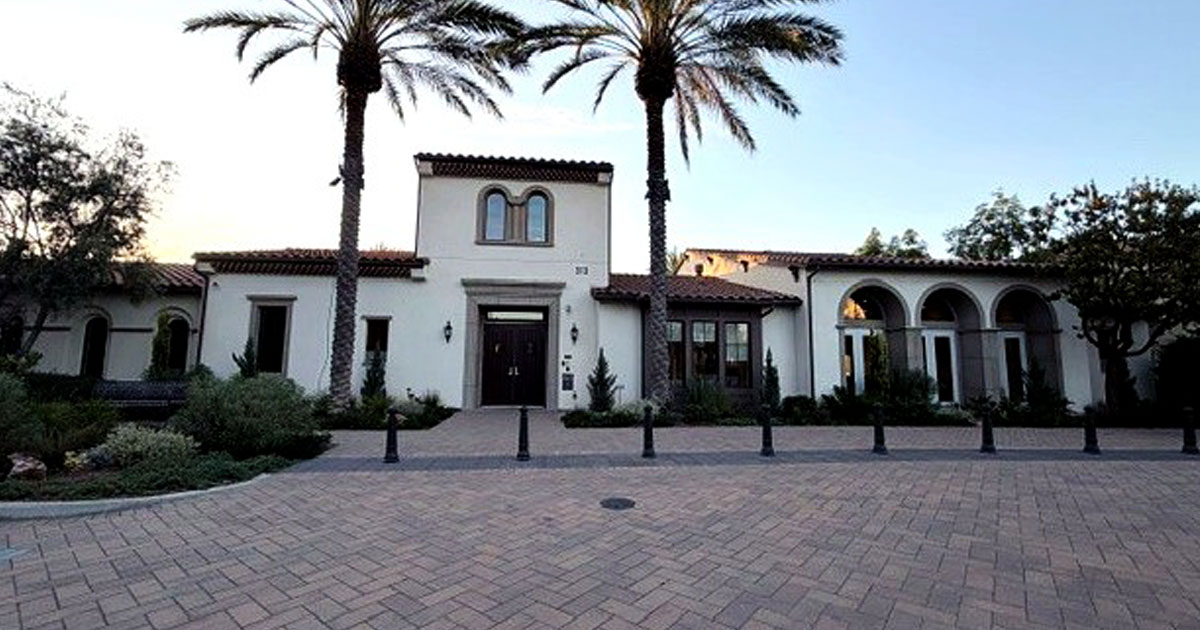
Travata Community Association is a gated, 243-home community in Irvine with three residential neighborhoods and an extensive collection of resort-style amenities. The community includes a clubhouse, pool and spa, fitness center, pickleball facilities, dog park, BBQ areas and gathering spaces, all of which contribute to the resident experience and long-term appeal of the property.
Managing a community at this level requires more than maintaining common areas or responding when something breaks. It requires helping the Board keep the community relevant, enhance the resident experience and make thoughtful improvements that support and strengthen property values over time.
For Travata, that philosophy has shaped important community projects. Crummack Huseby has worked with the Board and vendor partners to evaluate underlying needs, compare options, coordinate work and help make decisions that protect both the Association’s assets and the homeowner experience.
The Bigger Management Challenge
High-end communities carry high expectations. Residents experience the quality of the Association through the condition of its amenities, the appearance of its common areas and the way major projects are communicated and completed.
A tired pool area or declining clubhouse entrance is not just a maintenance issue. It affects how residents feel about the community. It also affects how prospective homeowners and visitors perceive the property.
At Travata, Crummack Huseby’s role has been to help the Board look beyond short-term fixes and focus on improvements that continue moving the community forward.
That means asking better questions before committing Association funds:
| Board Question | Why It Matters |
|---|---|
| Are we solving the actual issue or only the visible symptom? | Prevents repeated spending on the same problem |
| Can related work be coordinated to reduce disruption? | Helps protect the resident experience |
| Will this improvement support the community’s long-term appeal? | Connects project decisions to property-value preservation |
| Are we making the community more enjoyable for residents? | Keeps resident experience central to planning |
| Will this decision still make sense years from now? | Supports smarter long-term asset management |
This is where professional community management becomes more than administration. It becomes strategic guidance.
Case 1: Pool and Spa Renovation
A Major Amenity Transformation, Not a Short-Term Patch
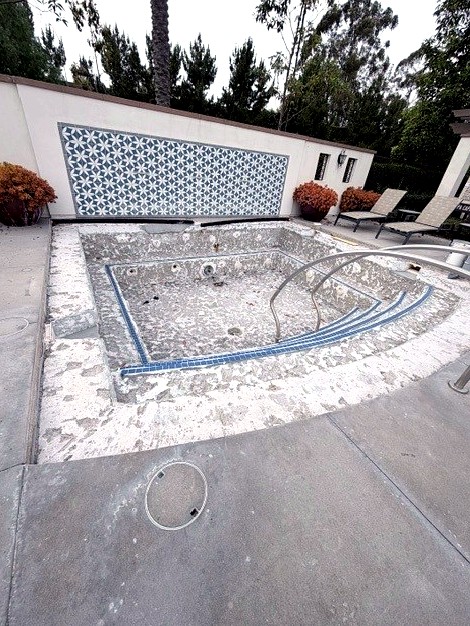 |  |
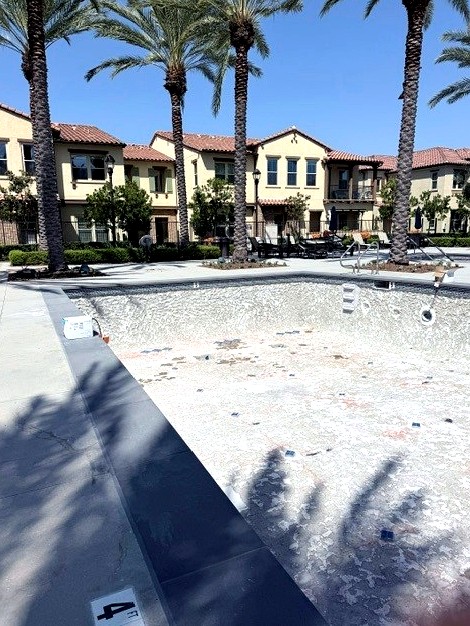
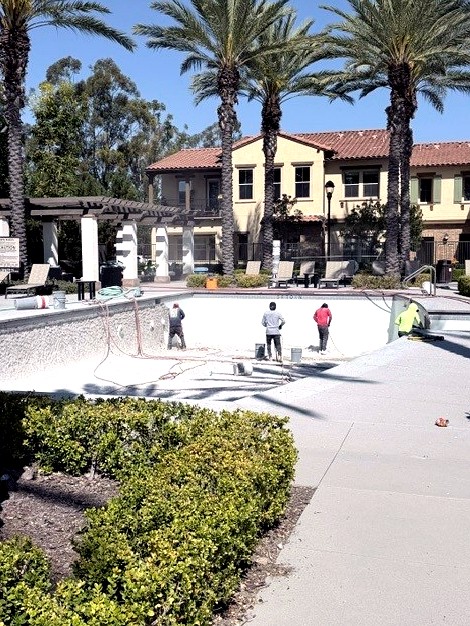
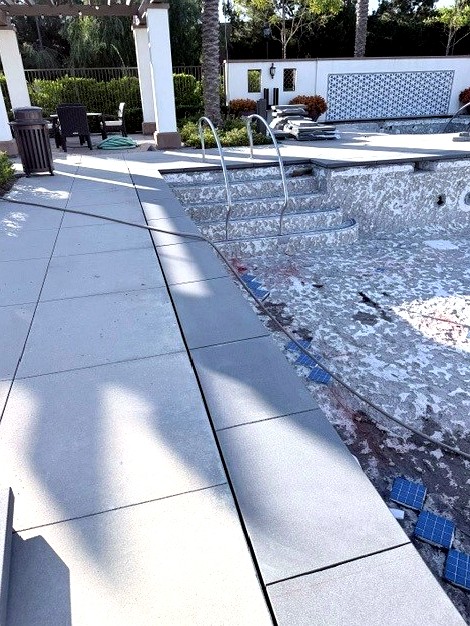
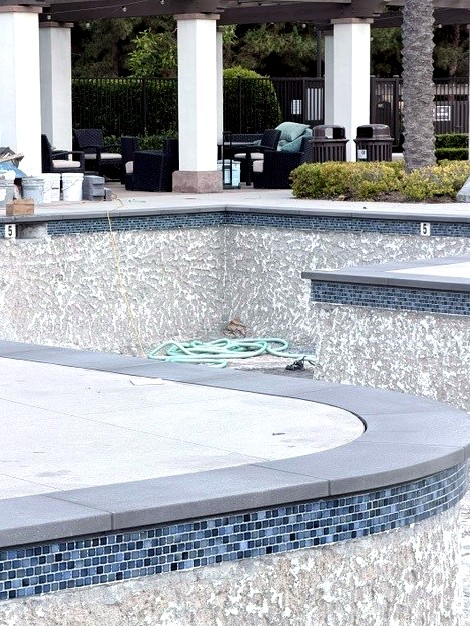
After approximately eight years of heavy use, Travata’s pool and spa area needed significant attention. The spa plaster had deteriorated to the point that the spa could no longer safely remain open. The surface was peeling, discolored and rough. The pool surface was also showing signs of deterioration and discoloration, and the coping around the amenity area presented additional issues tied to the original construction.
The immediate problem was the spa. The larger opportunity was the full amenity area.
Repairing only the spa would have addressed the most urgent concern, but it could have left the Association facing another disruptive pool project later. With the community working toward a June 1 pool opening, the Board had to balance timing, budget, resident expectations and the long-term condition of one of Travata’s most visible amenities.
Crummack Huseby helped the Board evaluate the issue more strategically. Before recommending a direction, Management researched the underlying conditions and consulted with four independent pool vendors. Their recommendations consistently pointed toward a more complete corrective approach.
That process revealed a better path: coordinate the pool and spa renovations together, address the deteriorating coping as part of the broader project and reduce the likelihood of repeated disruption later.
Project Scope
 |  |
 |  |
| Improvement | Community Impact |
|---|---|
| New plaster for the pool and spa | Renewed the surface condition and improved appearance, comfort and usability |
| New waterline tile | Created a cleaner, more updated visual finish |
| New handrails | Helped satisfy updated City code requirements and improved access support |
| Deep cleaning of existing tile | Restored a brighter, cleaner look to the surrounding pool area |
| New pool equipment | Supported updated operations and Health Department requirements |
| New landscaping around the pool area | Completed the refreshed amenity experience and improved the setting |
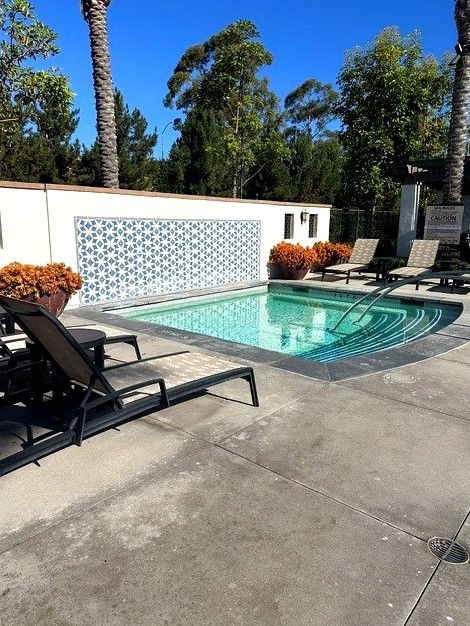
The completed project gave residents a refreshed, updated pool and spa area that felt more aligned with the quality of the community. This was not simply catching up on deferred maintenance. It was a major improvement to a heavily used amenity and a visible investment in the resident experience.
Navigating Unexpected City and Health Department Requirements
The pool and spa renovation became more complex as updated City and Health Department requirements surfaced during the project. New handrails were required to meet updated City code requirements. The existing pool electrical panel also required troubleshooting because components were not properly labeled, which created an approximately one-week delay while the issue was resolved and the inspector was rescheduled.
In addition, a new electrical panel was installed to accommodate the three-pump emergency shutoff system required by the Health Department under updated requirements.
These details matter because they show the work behind the finished result. From the outside, a delay can look like a project simply slowed down. Behind the scenes, Management was coordinating vendors, inspectors and Board communication while working through code-related requirements that had to be resolved before the pool could reopen.
Crummack Huseby helped manage those moving pieces by staying closely connected with the pool contractor, keeping the Board informed, communicating schedule impacts and helping move the project toward final approval.
Board Testimonial
Exceptional HOA Project Management
Our community recently completed a major pool project, and it would not have been a success without our general manager’s outstanding leadership. Throughout the entire process, she masterfully managed expectations and kept the project moving forward despite the inevitable challenges that arise with large-scale community upgrades.
One of her greatest assets was acting as the central liaison between our pool contractor and the city and county inspectors. Securing approvals can be a notorious bottleneck, but her proactive communication kept everything on track. Whenever inspector-generated actions arose, our general manager immediately provided practical, effective solutions to keep us compliant without stalling progress.
Communication across the board was seamless. She kept both the board members and the entire community thoroughly informed of the project’s status at every milestone. Furthermore, the general manager did an excellent job of communicating the board’s decisions back to the contractor, ensuring total alignment.
Perhaps most importantly, the general manager’s diligent oversight managed the project to minimize overruns, protecting our community’s budget. We are incredibly grateful for her expertise, organization, and dedication to seeing this project through to a successful completion.
— Ray Wong, Travata HOA Board Member
Communication Throughout the Renovation
Resident communication was an important part of the pool and spa project. Because the pool is such a visible and valued amenity, homeowners needed to understand what was happening, how the work was progressing and why certain timeline adjustments were necessary.
Crummack Huseby coordinated regular resident updates and selected progress photos to help the community see the renovation as it moved forward. That communication helped create transparency during the closure and gave residents a clearer view of the work happening behind the scenes.
For major amenity projects, communication is not separate from project management. It is part of the project. Residents may not need every technical detail, but they do need confidence that the Board and management team are actively overseeing the work.
Pool and Spa Renovation Results
 |
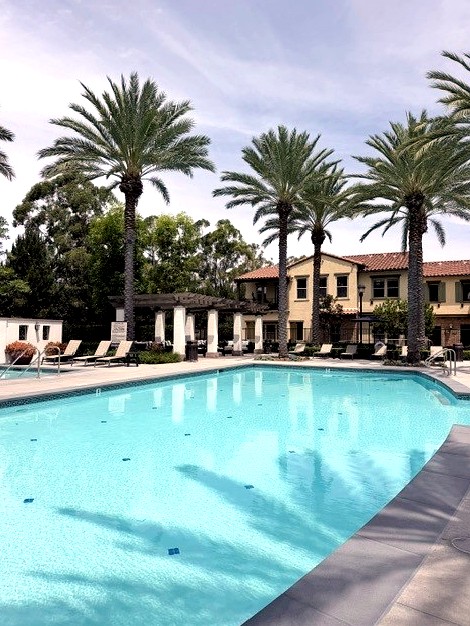 | 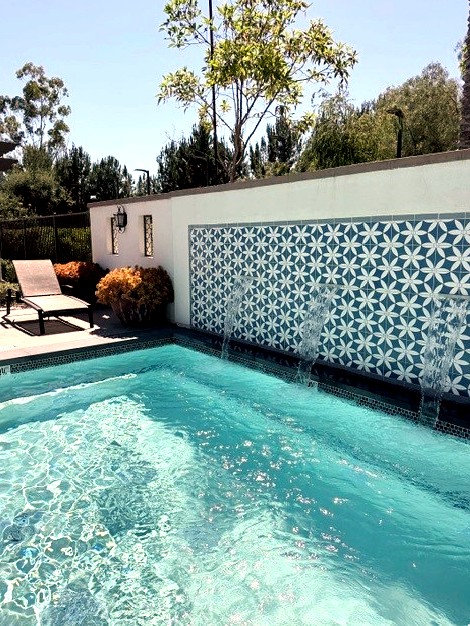 |
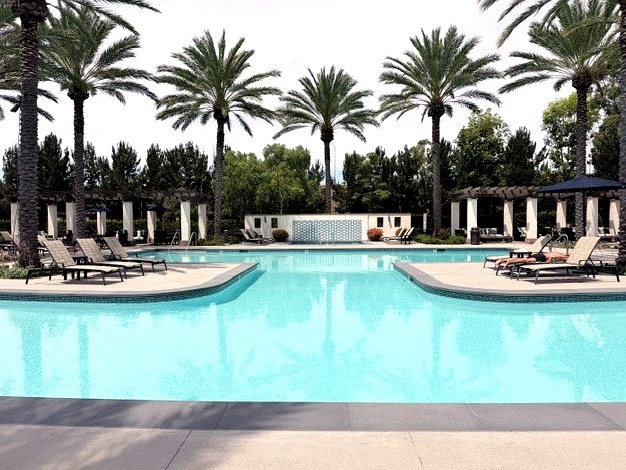
Before the renovation, Travata’s pool and spa area showed visible surface deterioration and required a coordinated improvement plan. After completion, residents received a refreshed amenity space with new plaster, updated tile, new handrails, new equipment and surrounding landscape improvements.
The project was completed, and residents received a refreshed, updated pool and spa area with a cleaner, renewed look and improved amenities.
| Before the Renovation | After the Renovation |
|---|---|
| Spa surface was peeling, discolored and rough | Spa received new plaster and a renewed surface |
| Pool plaster showed deterioration and discoloration | Pool surface was refreshed with new plaster |
| Coping had deteriorated and needed replacement | Amenity area was addressed as part of the broader renovation |
| Existing tile needed attention | Tile was deep cleaned and updated with new waterline tile |
| City and Health Department requirements added complexity | Handrails, electrical updates and emergency shutoff requirements were resolved |
| Residents were waiting for the seasonal reopening | Residents received a refreshed amenity ready for community use |
Case 2: Clubhouse Entrance Landscape Improvements
Improving a Highly Visible Community Arrival Point
 |
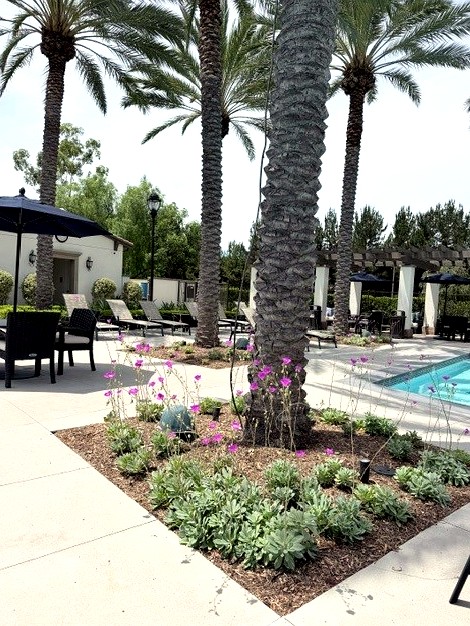 | 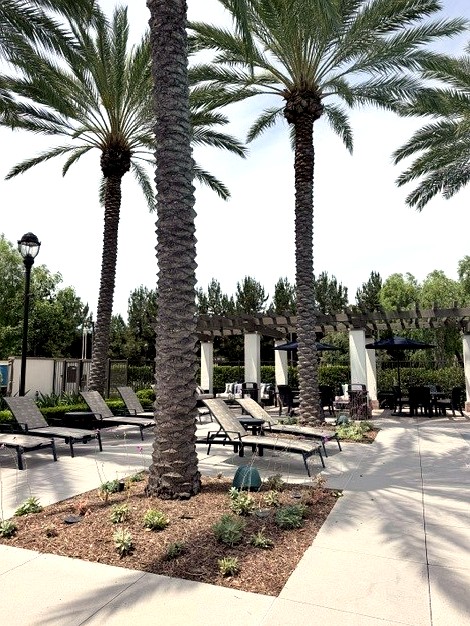 |
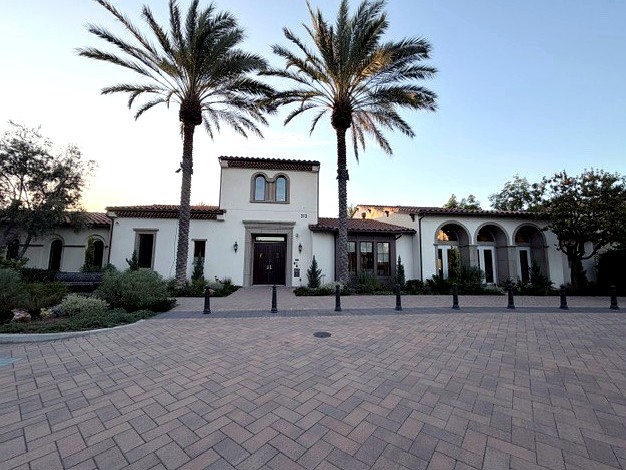
The clubhouse entrance is one of Travata’s most visible common areas. It shapes the first impression residents and guests have when they arrive at a central community space.
Over time, the entrance landscape no longer reflected the quality of the clubhouse or the surrounding community. Inconsistent rose varieties, declining plant material, irrigation problems and tree loss had weakened the appearance of the area.
The quickest response would have been to replace the dead or declining plants and move on. Crummack Huseby and the landscape contractor took a broader view.
Rather than simply requesting a replacement proposal, Management asked the contractor to develop three conceptual alternatives. That step changed the conversation from “what plants should we replace?” to “what should this entrance look like, and how do we protect the investment after it is installed?”
The final design incorporated a revised plant palette that was consistent with landscaping already used successfully throughout Travata. Equally important, the underlying irrigation issues were addressed so the Association was not simply paying to replace plant material that would decline again.
| Landscape Issue | Strategic Response |
|---|---|
| Inconsistent rose varieties | Created a more cohesive entrance design |
| Declining plant material | Replaced with a stronger, more suitable plant palette |
| Irrigation problems | Addressed the underlying condition contributing to plant failure |
| Tree loss | Reconsidered the overall entrance presentation |
| Visible clubhouse entrance impact | Improved one of the community’s most important first impressions |
The completed improvement created a cleaner, more sophisticated clubhouse entrance that better matched the quality of the community. It also reinforced an important principle: thoughtful community management is not just about preserving what exists. It is about helping the Board make improvements that keep the community attractive, relevant and aligned with resident expectations.
What These Projects Have in Common
The pool and spa renovation and clubhouse entrance improvements were different in scope, but they reflected the same management philosophy.
Crummack Huseby helped the Board look beyond the most obvious response and evaluate what would create the strongest long-term outcome for the Association.
| Project | Surface-Level Response | Strategic Management Decision |
|---|---|---|
| Pool and spa renovation | Repair the spa only | Coordinate pool, spa and coping work to reduce future disruption and improve a signature amenity |
| Clubhouse entrance | Replace failing plants | Redesign the area and correct irrigation issues contributing to landscape failure |
In both cases, the better decision came from understanding the asset, the resident experience and the long-term value of getting the project right.
The Value of an Owner’s Mindset
HOA Boards oversee significant community assets. In high-end communities, those assets may include pools, spas, clubhouses, fitness centers, landscaping, private streets, gates, recreational facilities and other shared spaces that directly affect resident satisfaction and property appeal.
The community manager’s role should not be limited to collecting proposals and forwarding them to the Board. A strong management partner should help the Board understand the decision in front of them. That means asking whether the proposed work solves the root issue, whether better alternatives exist, whether costs can be reduced through coordination and whether the improvement supports the Association’s long-term interests.
At Travata, Crummack Huseby brought that owner’s mindset to visible community assets. The team helped evaluate conditions, coordinate vendors, communicate with residents and guide decisions with the Association’s long-term value in mind.
Why This Matters for HOA Boards
For HOA Boards, the Travata case study offers a practical example of what professional community management should contribute.
A Board does not need a management company that simply maintains the status quo. It needs a partner that can help interpret problems, organize options and support improvements that enhance the community over time.
That kind of management helps Boards:
| Board Need | How Strategic Management Helps |
|---|---|
| Keep the community relevant | Identifies where improvements can modernize and strengthen resident experience |
| Protect community assets | Helps determine when repair, replacement or redesign is the right approach |
| Support property values | Keeps visible amenities and common areas aligned with community expectations |
| Improve resident experience | Prioritizes the spaces homeowners use and notice |
| Reduce repeat problems | Addresses underlying conditions, not just symptoms |
| Communicate clearly | Keeps residents informed during visible projects |
| Make better long-term decisions | Helps the Board weigh immediate cost against future value |
This is especially important for volunteer Boards that may not have construction, landscaping, vendor-management or capital-planning experience. A strong management partner gives the Board better information and more confidence before decisions are made.
Why This Matters for Developers and New Communities
Travata also offers a valuable lesson for developers and new communities. Resort-style amenities are often central to a community’s appeal. Pools, spas, clubhouses, dog parks, BBQ areas, gathering spaces and recreational facilities help define the lifestyle experience that attracts buyers.
But those amenities also create long-term operating responsibilities. They must be maintained, funded, inspected, refreshed and eventually renovated. If a new community is not planned with realistic operating costs and lifecycle expectations, the future Association can inherit avoidable problems.
For developers, the takeaway is that community management should be involved early enough to think through long-term operations. The question is not only how an amenity looks at opening. It is how the Association will maintain it, fund it, improve it and communicate about it over time.
Crummack Huseby’s work at Travata demonstrates the value of management that understands both resident experience and asset preservation. That perspective matters for established HOAs, new communities and developer transitions alike.
Featured Project Team
| Role | Name |
|---|---|
| Crummack Huseby Team Member | Susan Anderson |
| Board Members | Bill Field and Ray Wong |
| Homeowner Feedback Contact | Bonnie Kettering, with additional homeowners available if needed |
Final Takeaway
Travata Community Association shows what strategic HOA management looks like in a premier community. Across the pool and spa renovation and clubhouse entrance improvements, the goal was not simply to complete isolated projects. The goal was to improve visible community assets, strengthen the resident experience and support long-term property value.
Crummack Huseby helped the Board evaluate options, coordinate vendors, communicate with residents and look for smarter ways to solve problems. In the pool and spa renovation, that meant coordinating a larger amenity transformation rather than treating the spa as a standalone repair. In the clubhouse entrance project, it meant addressing the underlying issues behind declining landscape conditions and improving one of the community’s most visible arrival points.
For Boards and developers, the lesson is clear: successful community management is not just maintenance. It is asset management, resident experience planning and practical decision-making on behalf of the people who live there.
See What’s Possible for Your HOA
If your HOA Board is planning a major renovation, evaluating community assets or looking for a management partner that can bring more strategy to day-to-day operations, Crummack Huseby Property Management can help.
Contact Crummack Huseby to schedule a consultation or learn more about HOA management, community project coordination and developer services.
About Crummack Huseby
Crummack Huseby is an award-winning property management and consulting firm serving homeowners associations and builder communities across Southern California. Since 1999, we’ve partnered with HOA boards, developers, and homeowners to provide personalized management, strategic guidance, and exceptional service. Our team believes in building strong relationships, transparent communication, and custom solutions that help communities thrive.
To learn more about how we can support your HOA or builder project, click here.